Race recap
Reality Check at Sebring
Sebring was not the weekend we wanted, but it gave us a clear and necessary starting point for where our IMSA program needed to go.
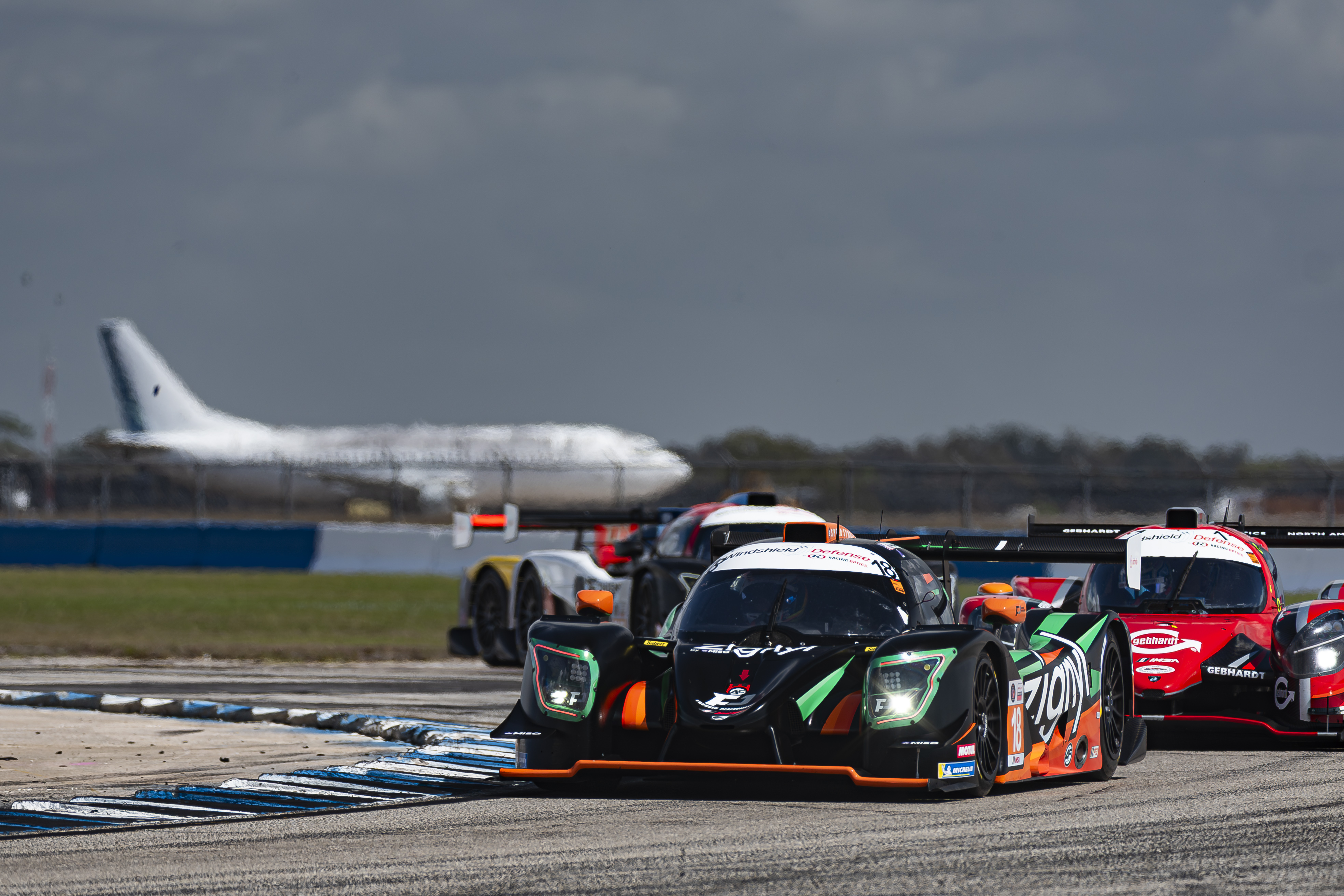
Sebring was not the weekend we wanted, but it gave us a clear and necessary starting point for where our IMSA program needed to go.
Just getting the No. 18 Ligier JS P320 to the first IMSA Airbnb Endurance Challenge was a major effort. After crashing during the Sebring test, we had to scramble to rebuild the car, source parts, and get everything turned around in time for the race weekend. We were able to shake it down at a Chin track day at COTA, but the weather did not give us much to work with. It was wet, limited, and more about confirming the car ran than learning anything meaningful.
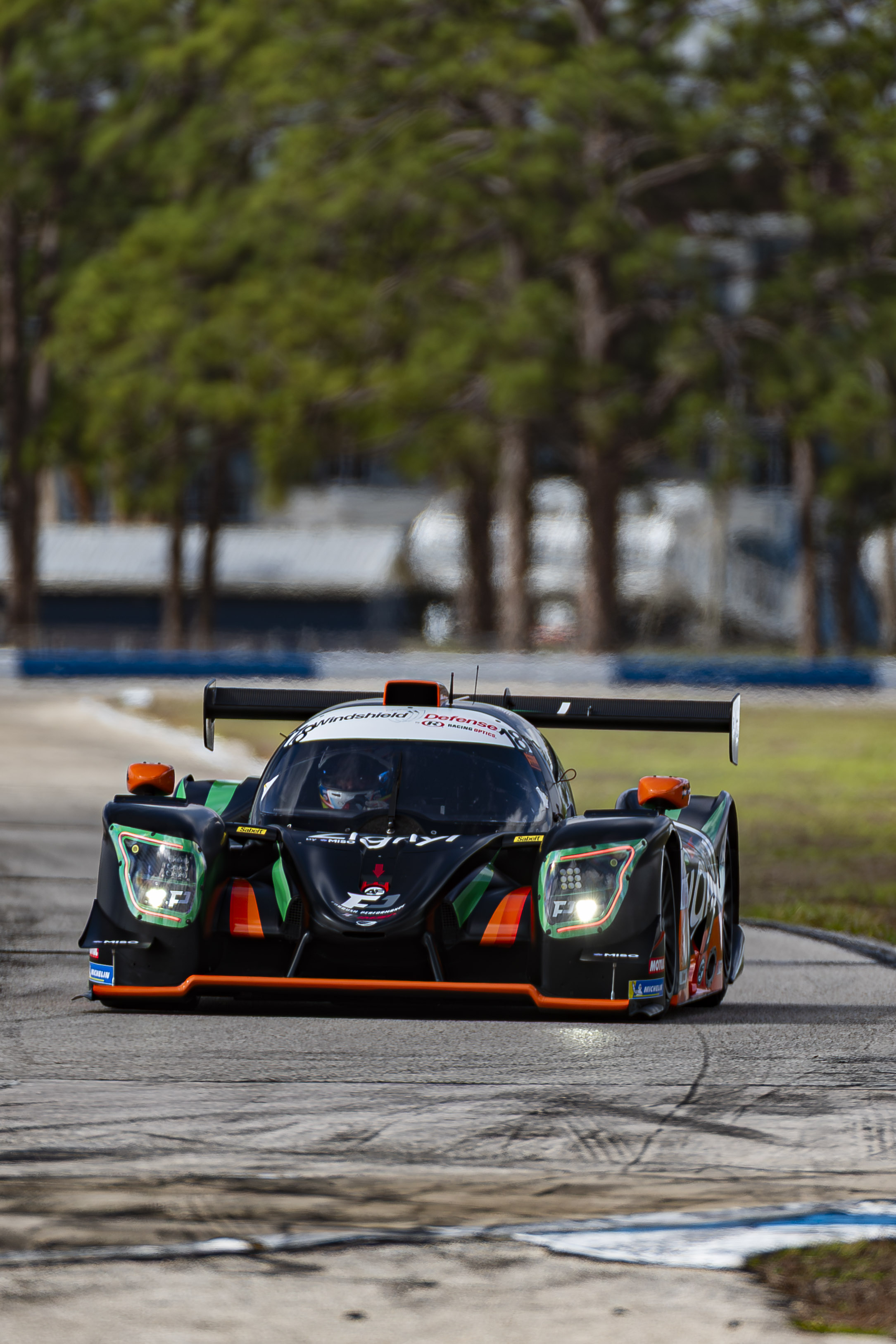
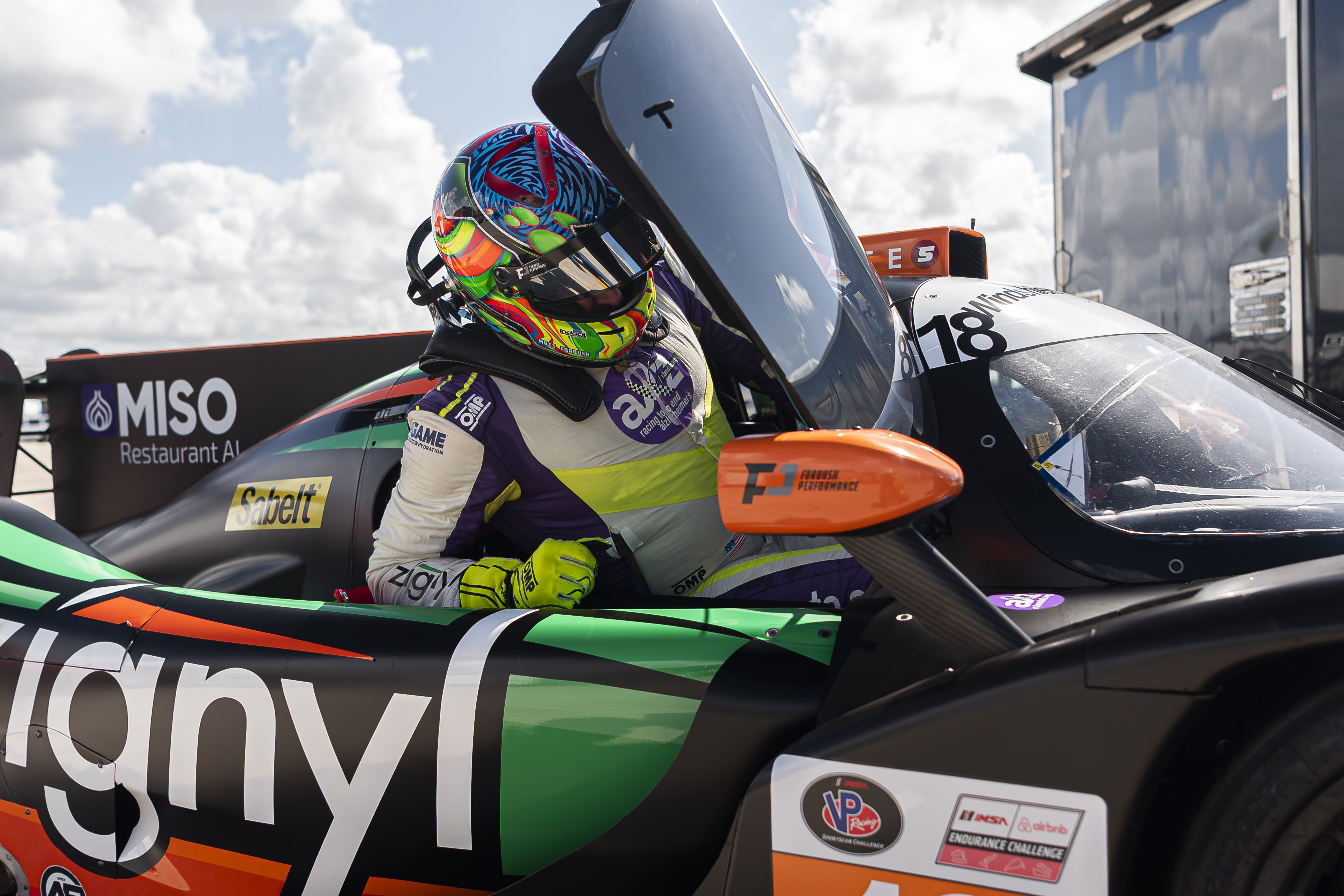
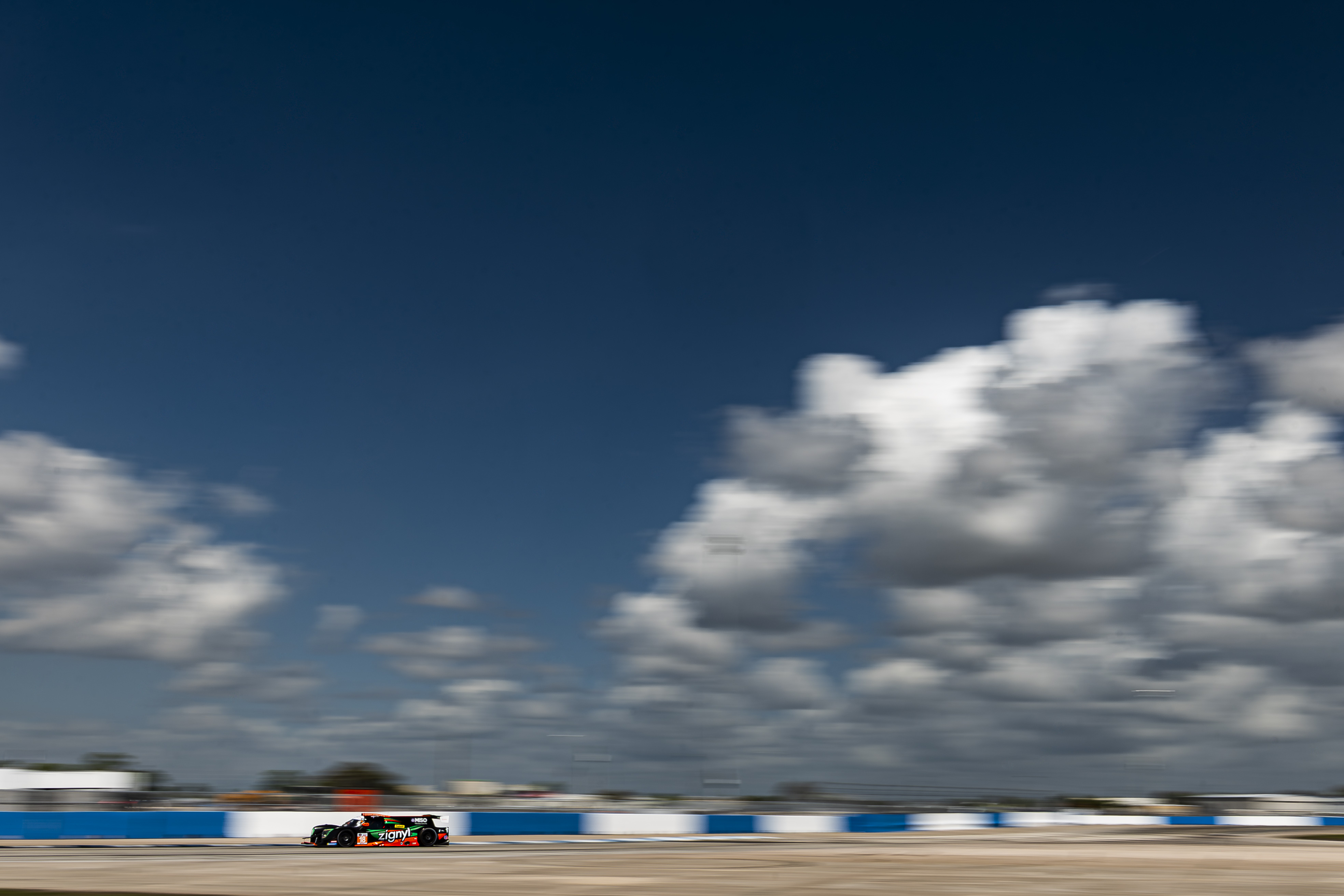
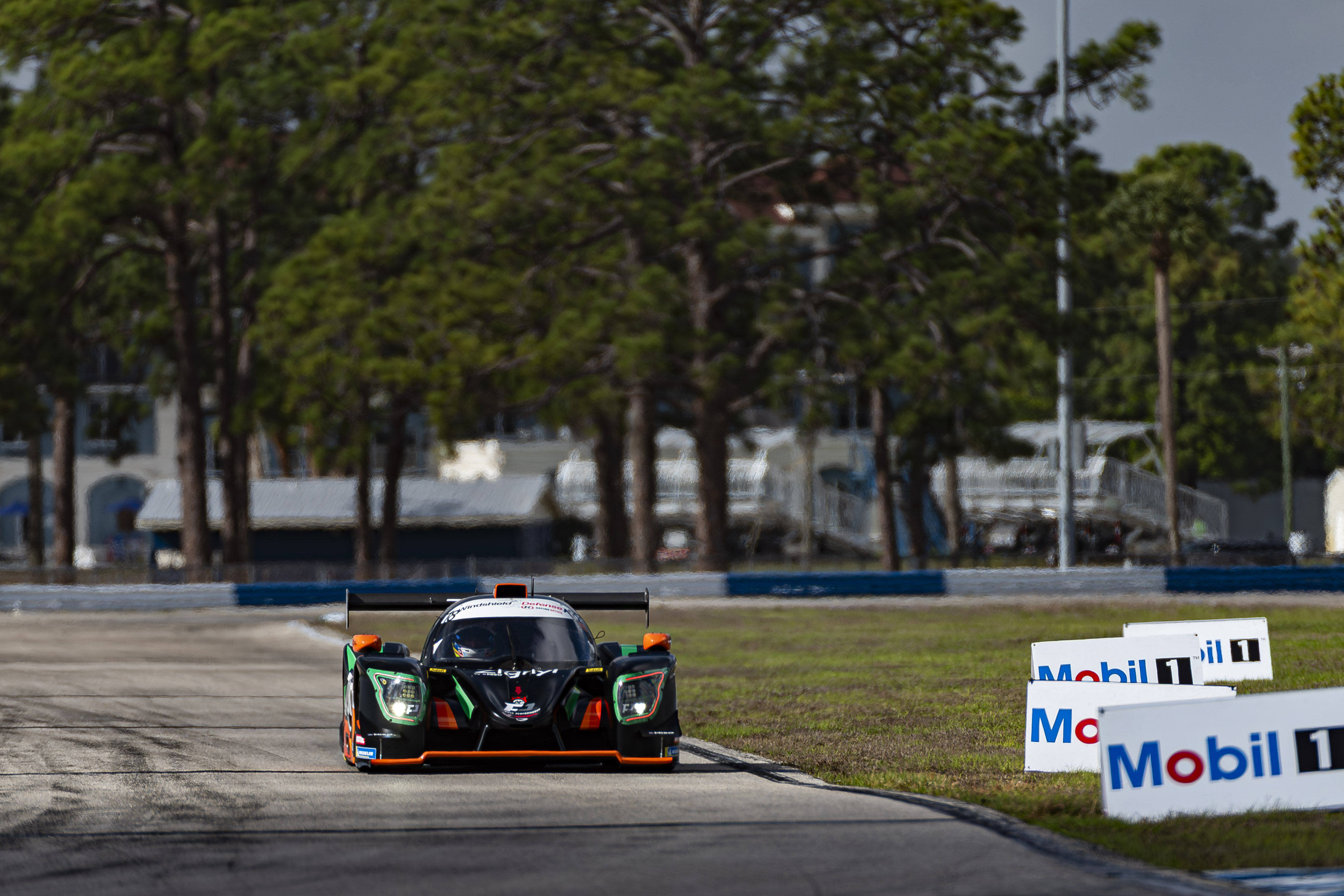
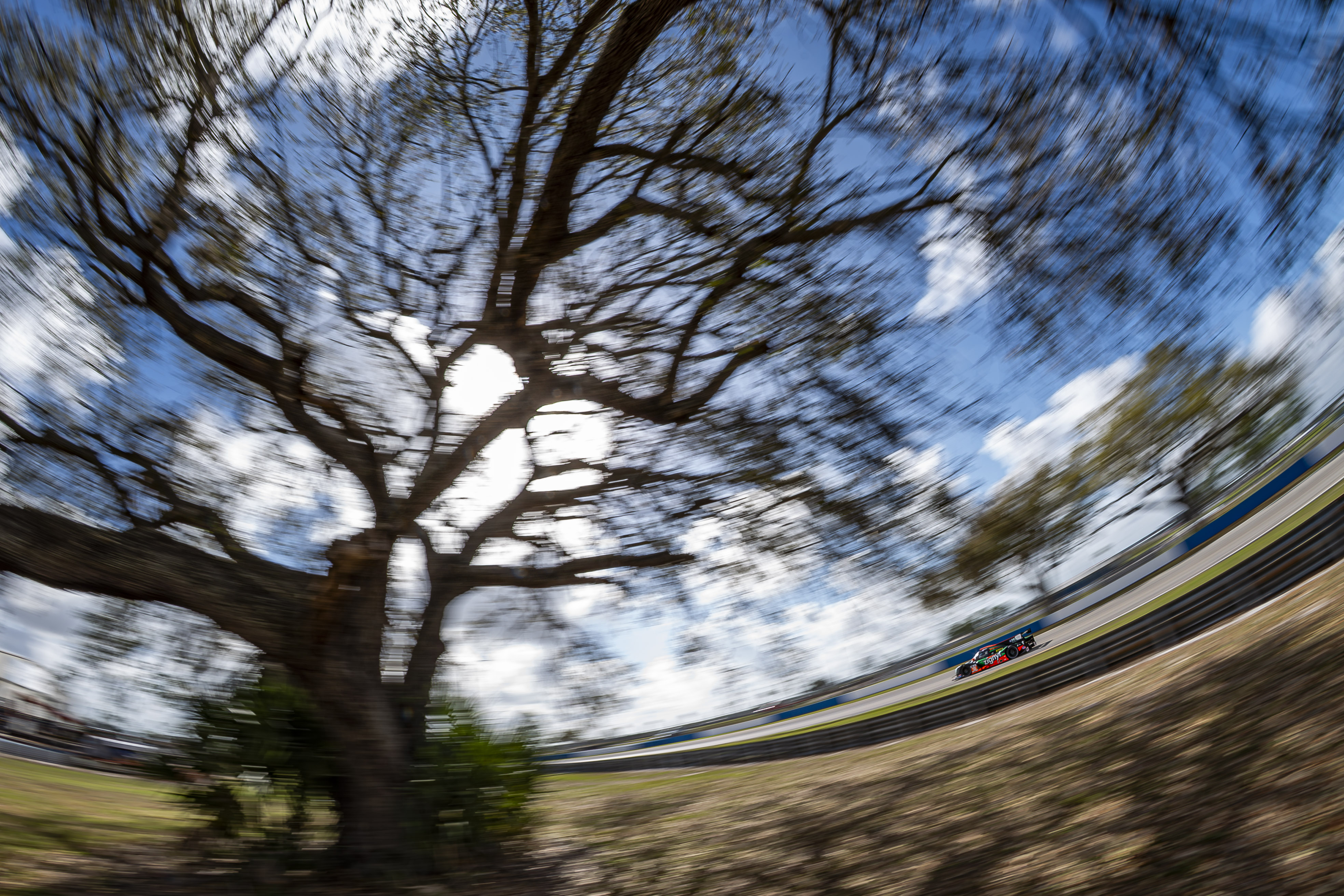
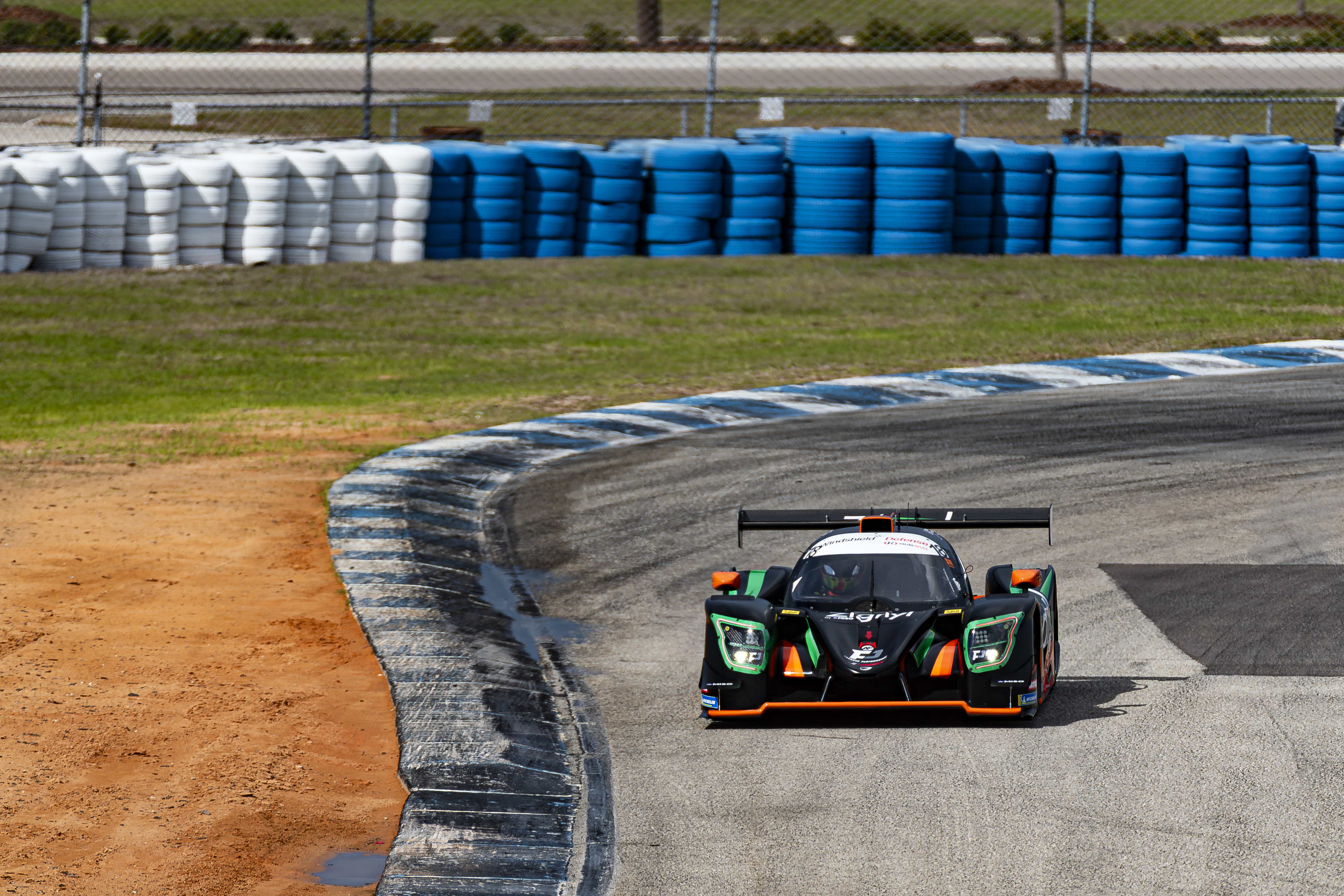
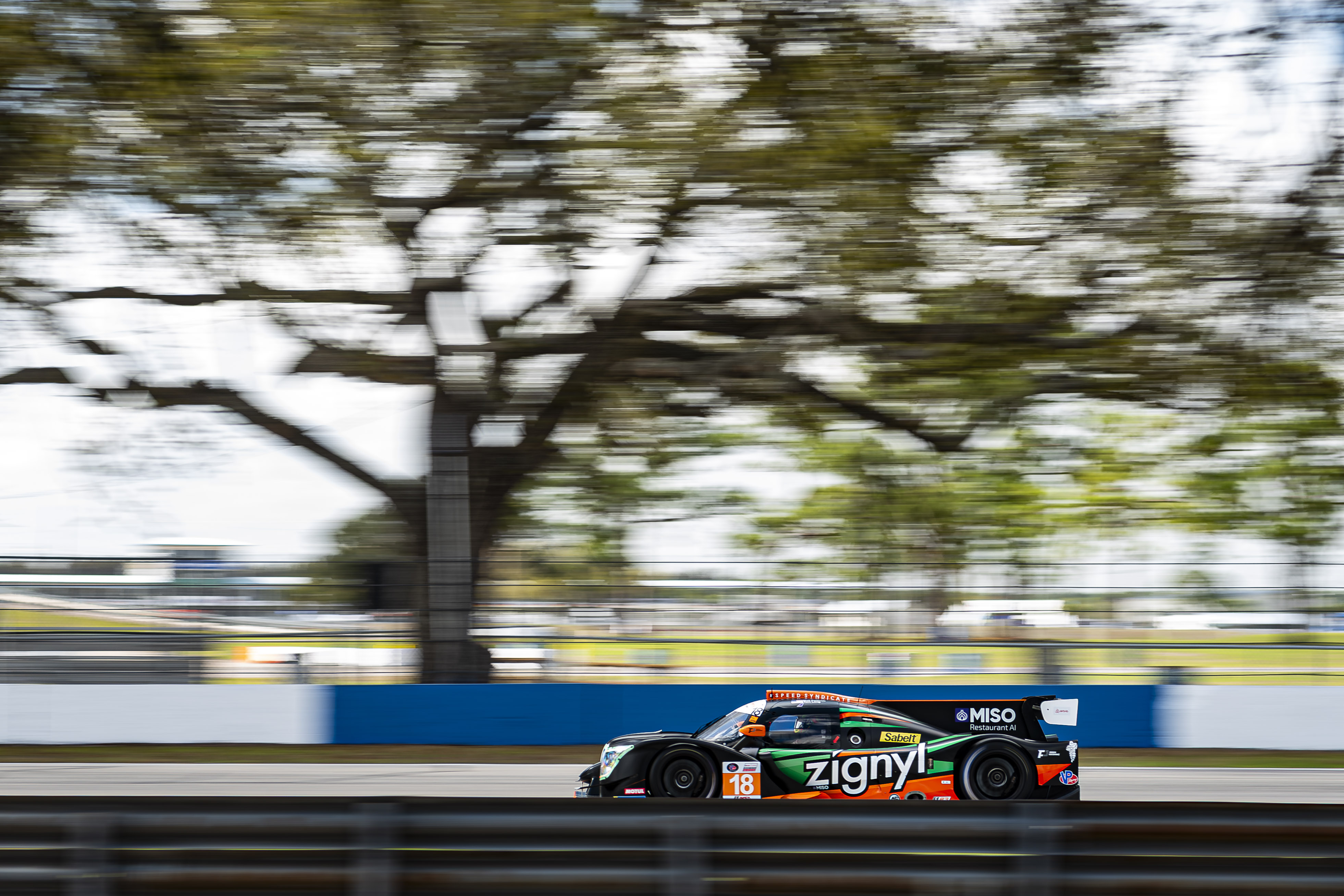
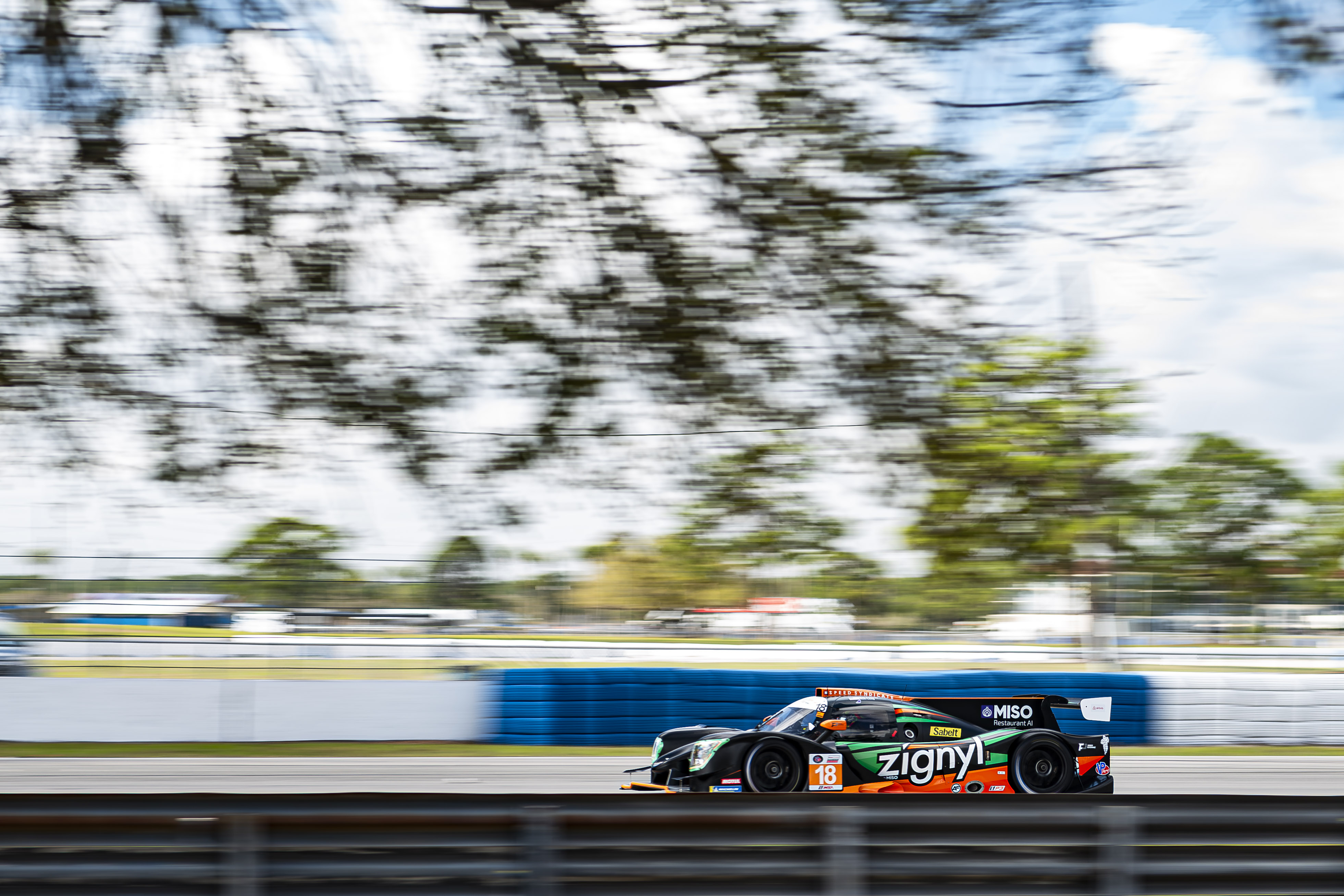
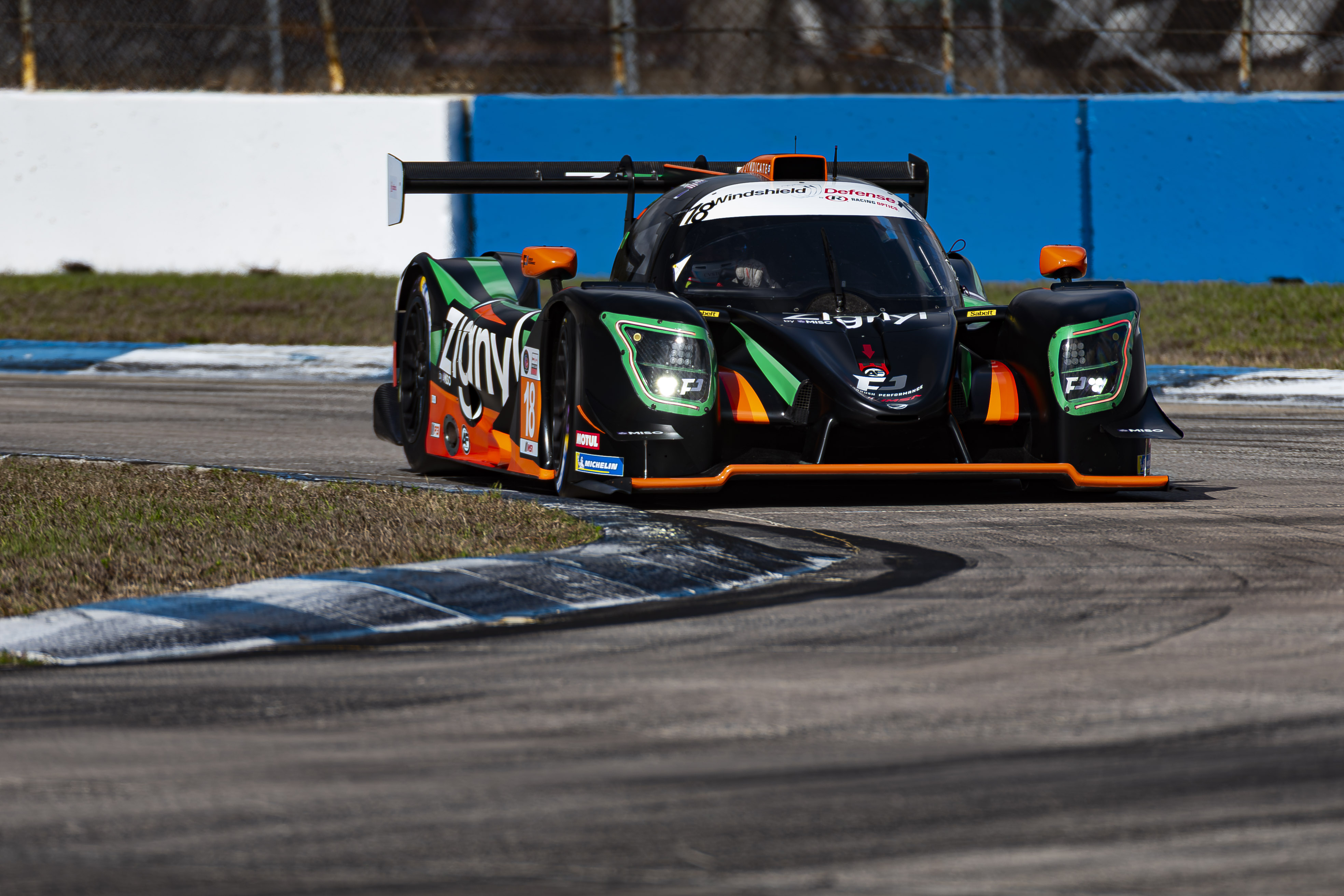
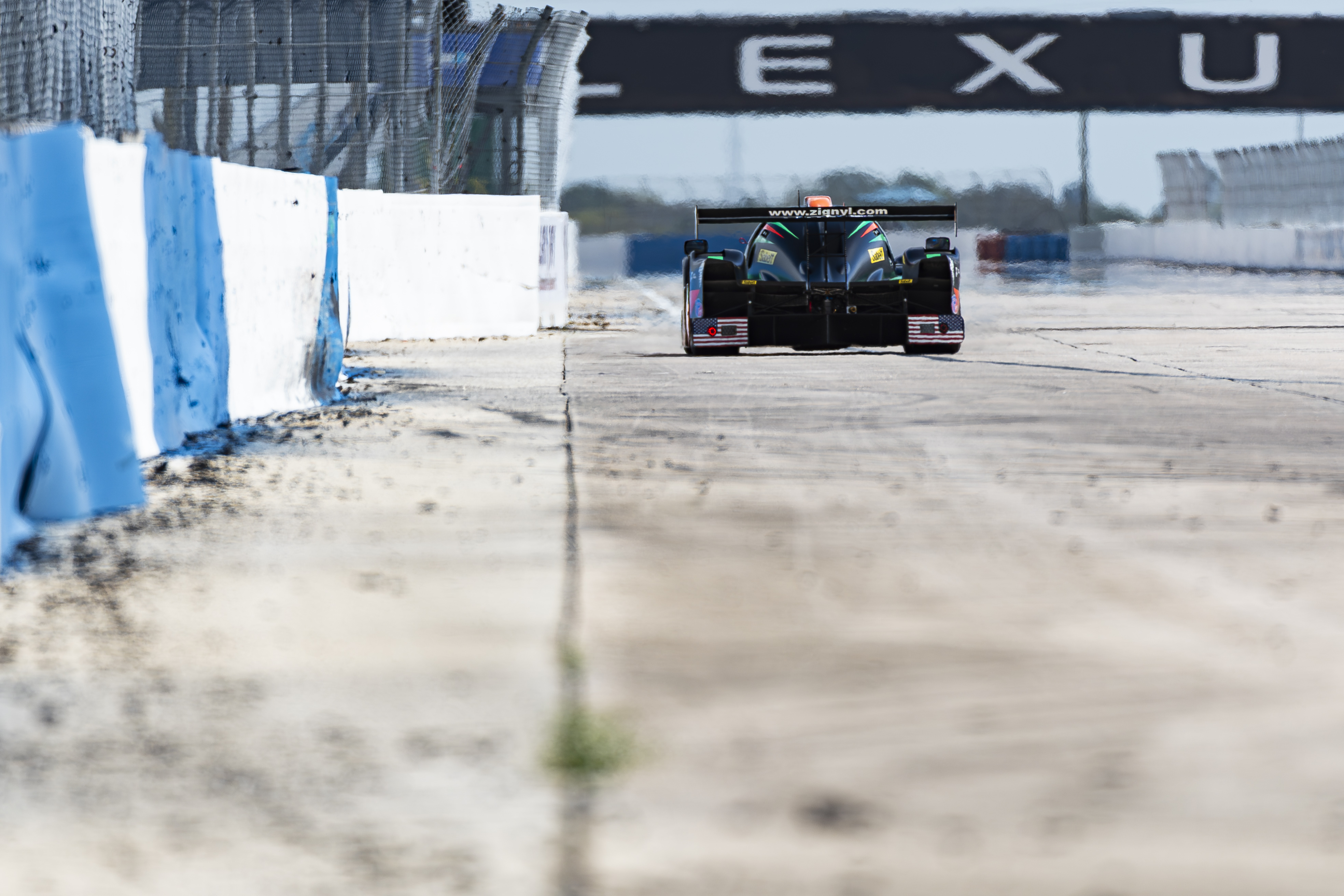
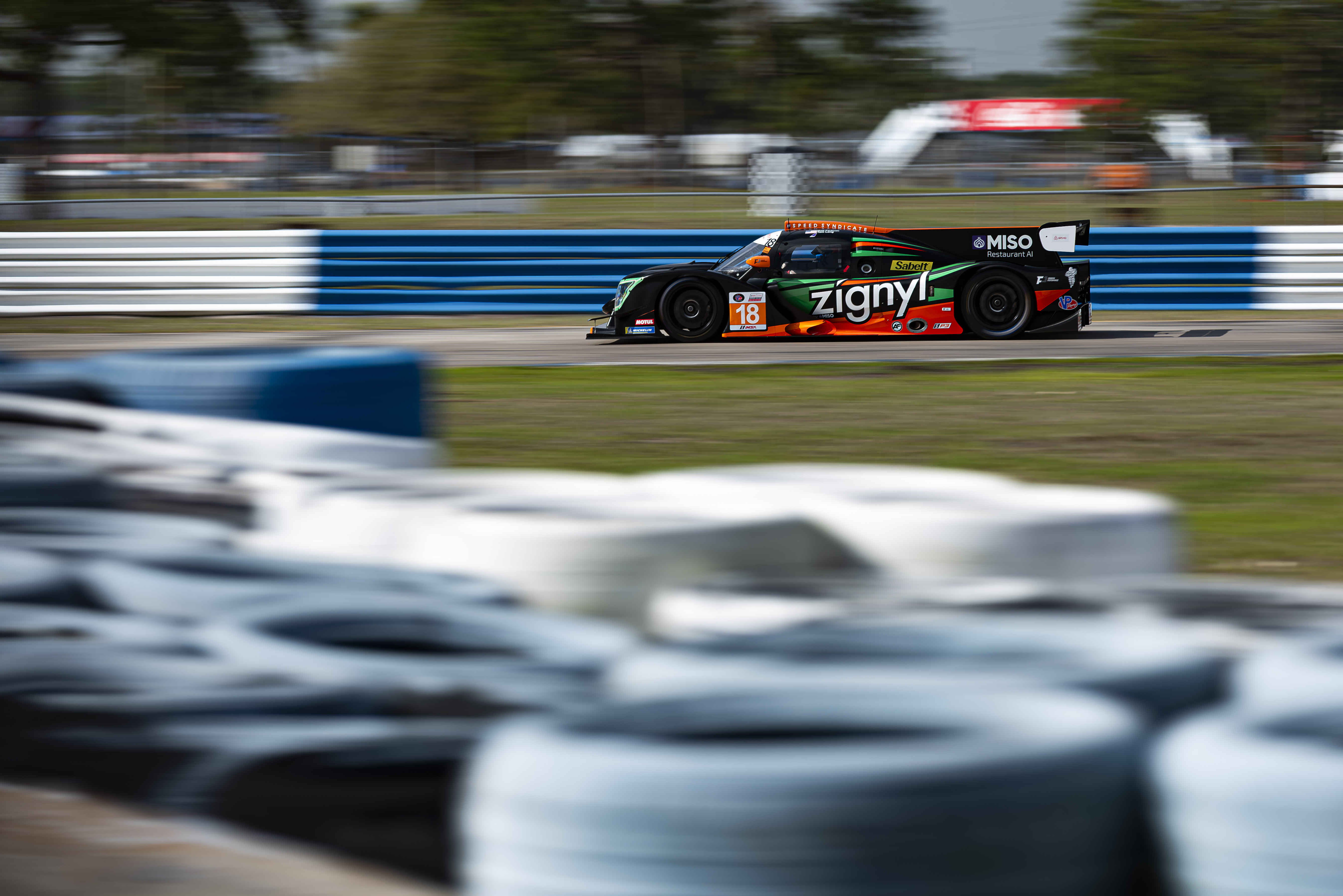
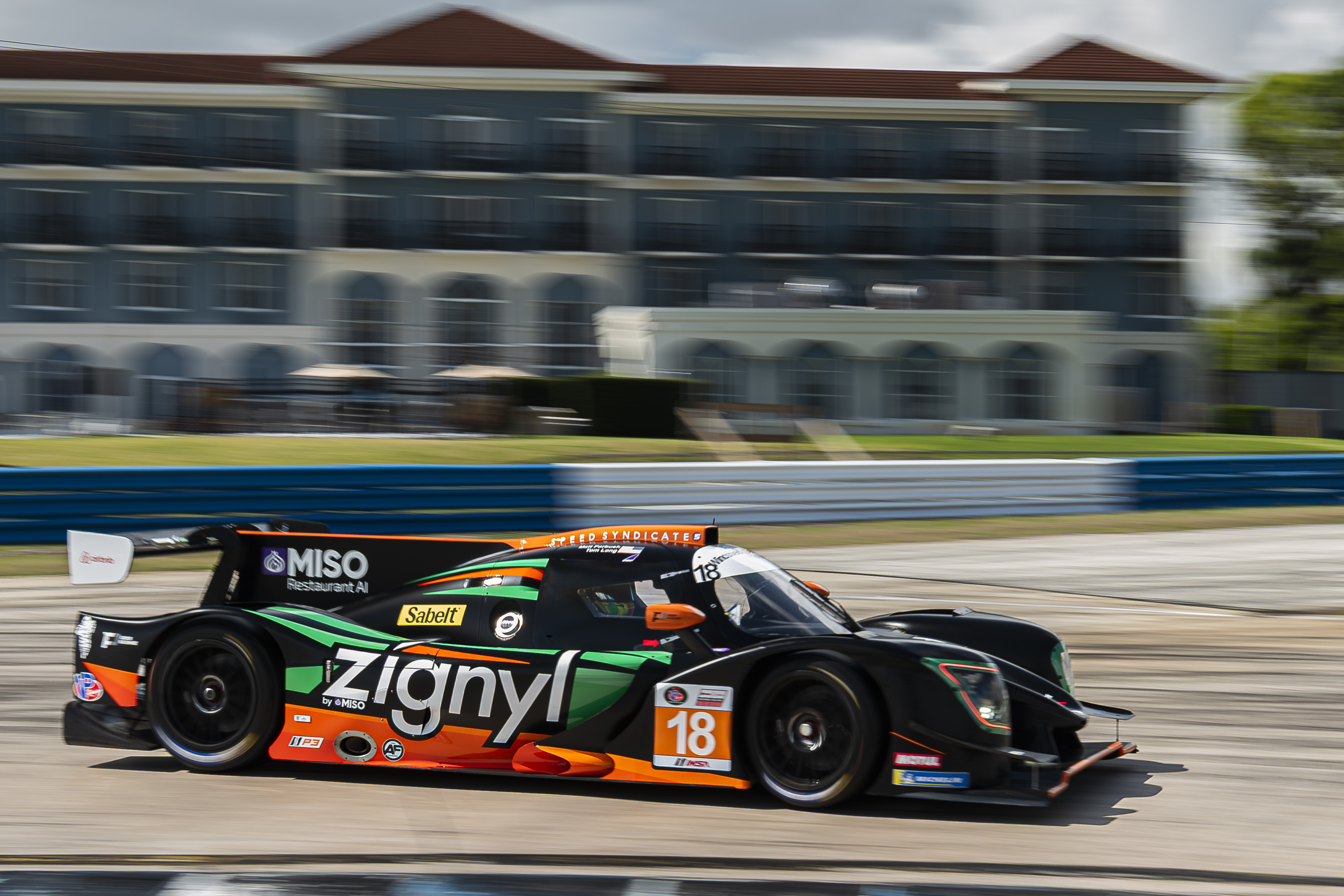
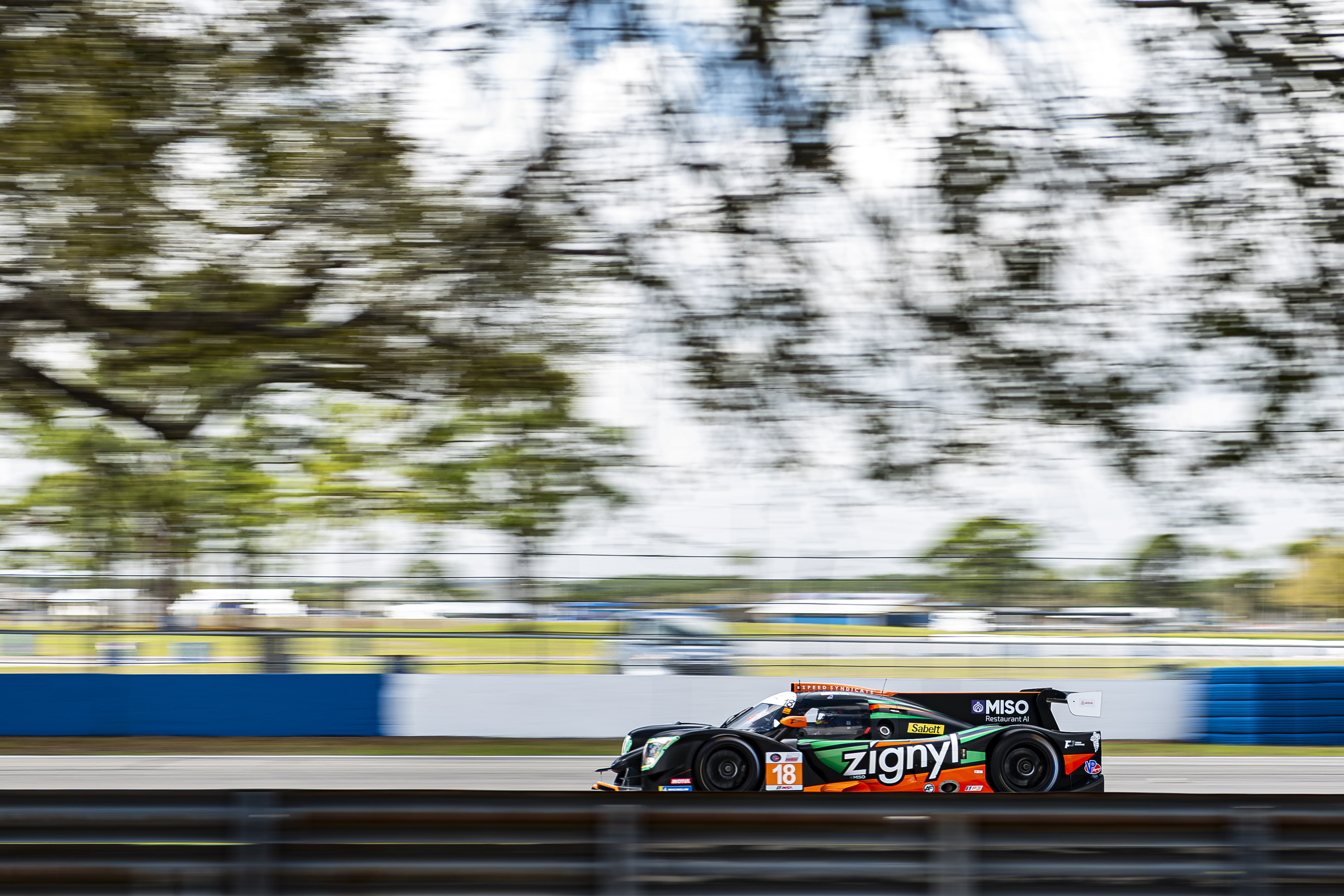
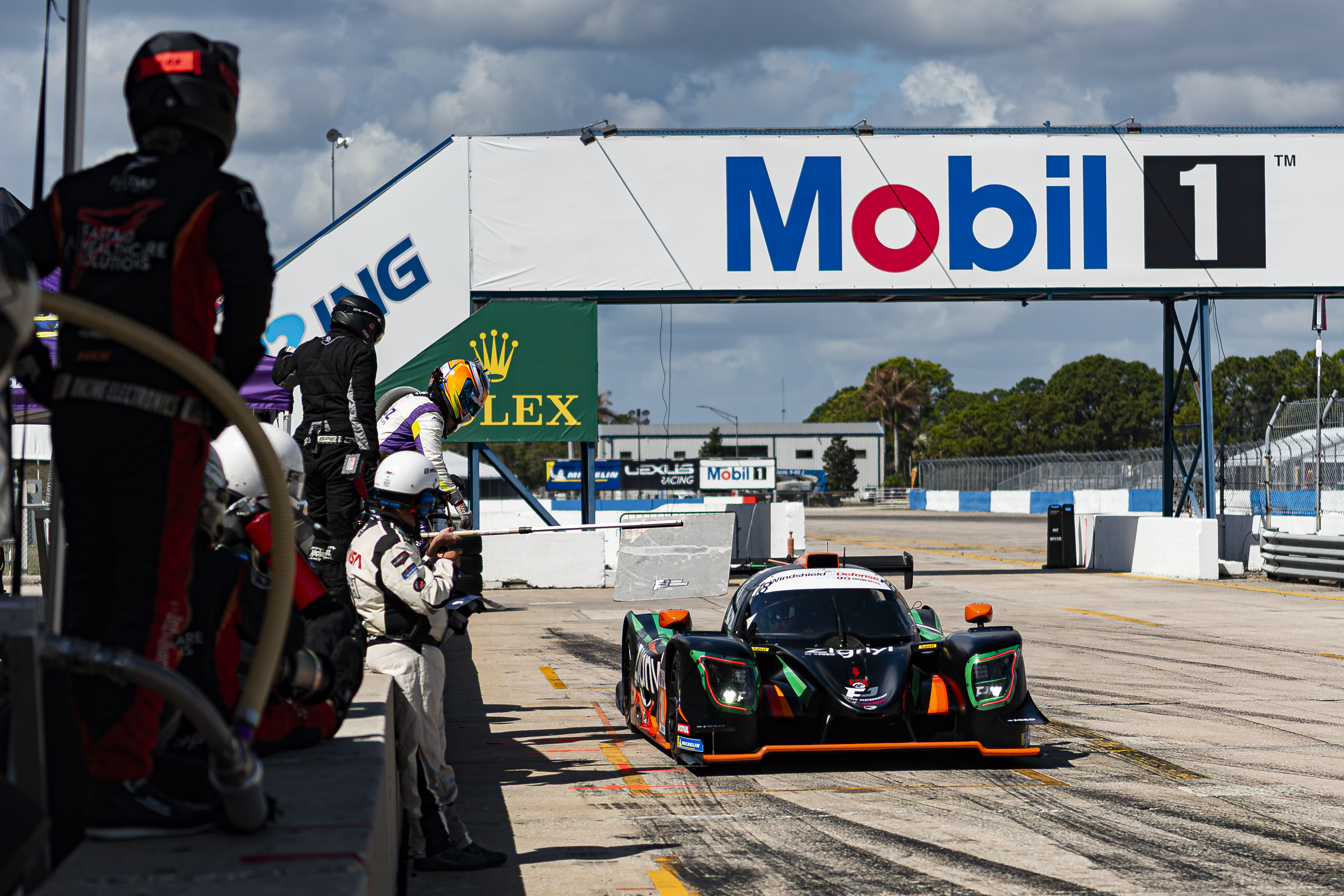
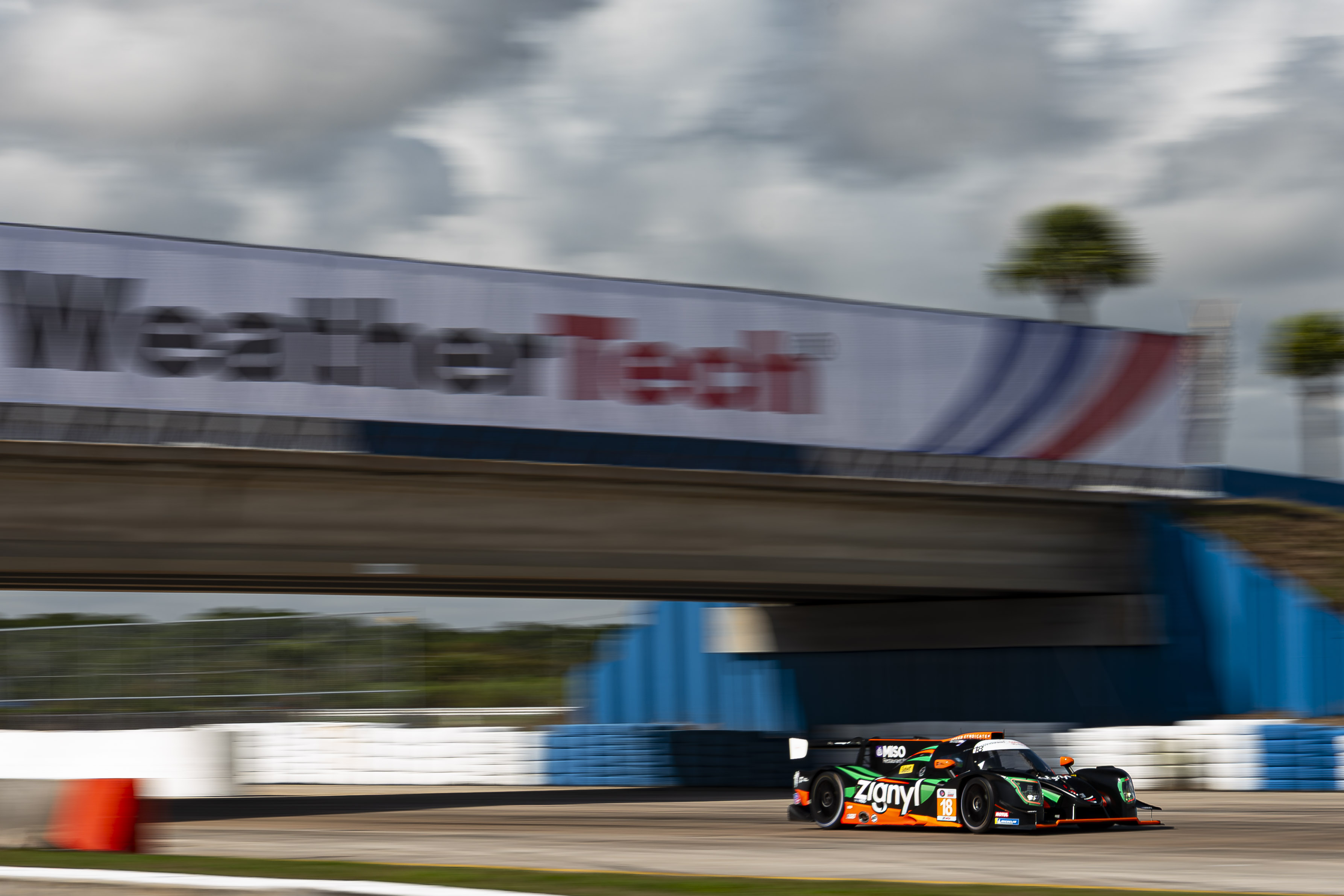
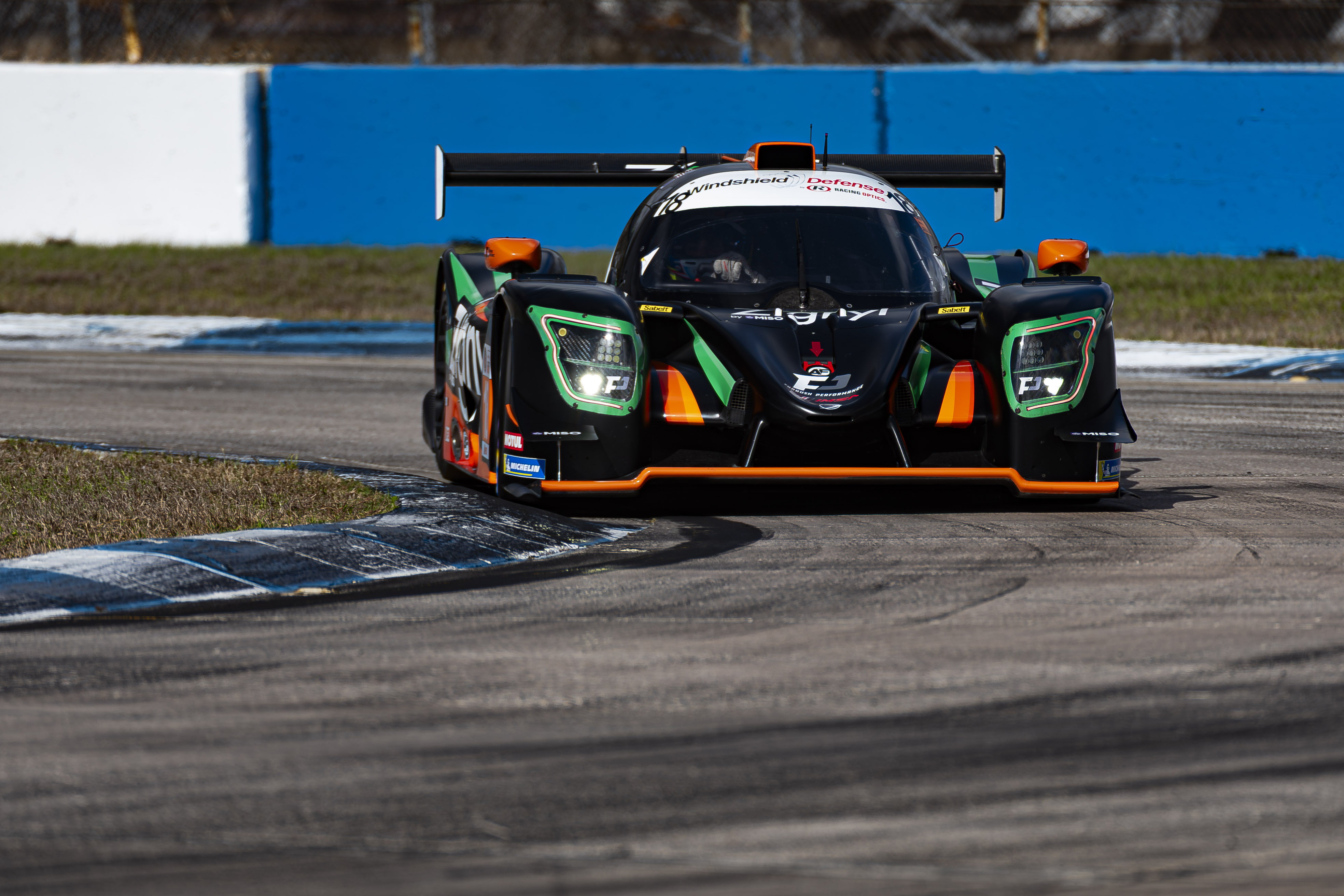
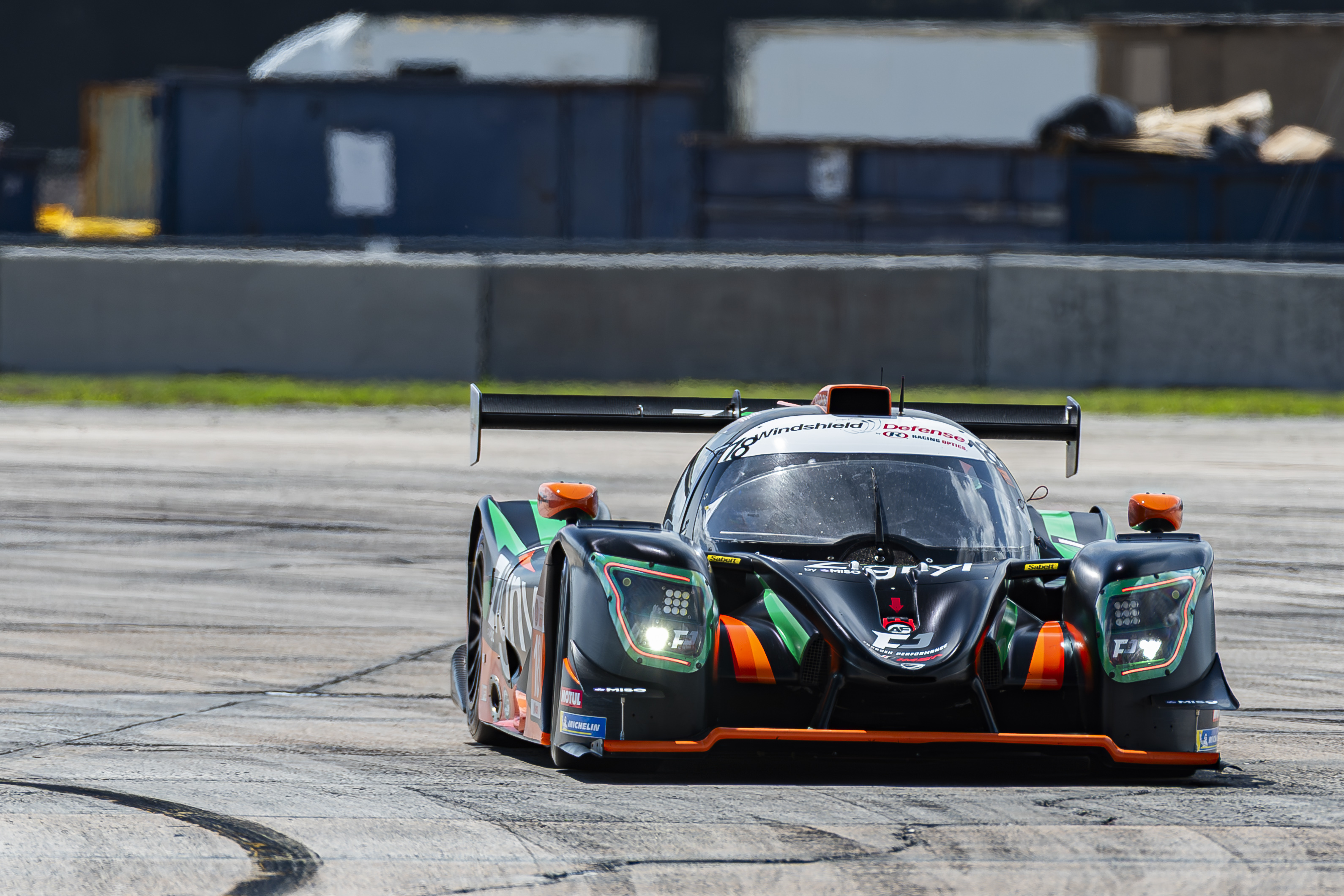
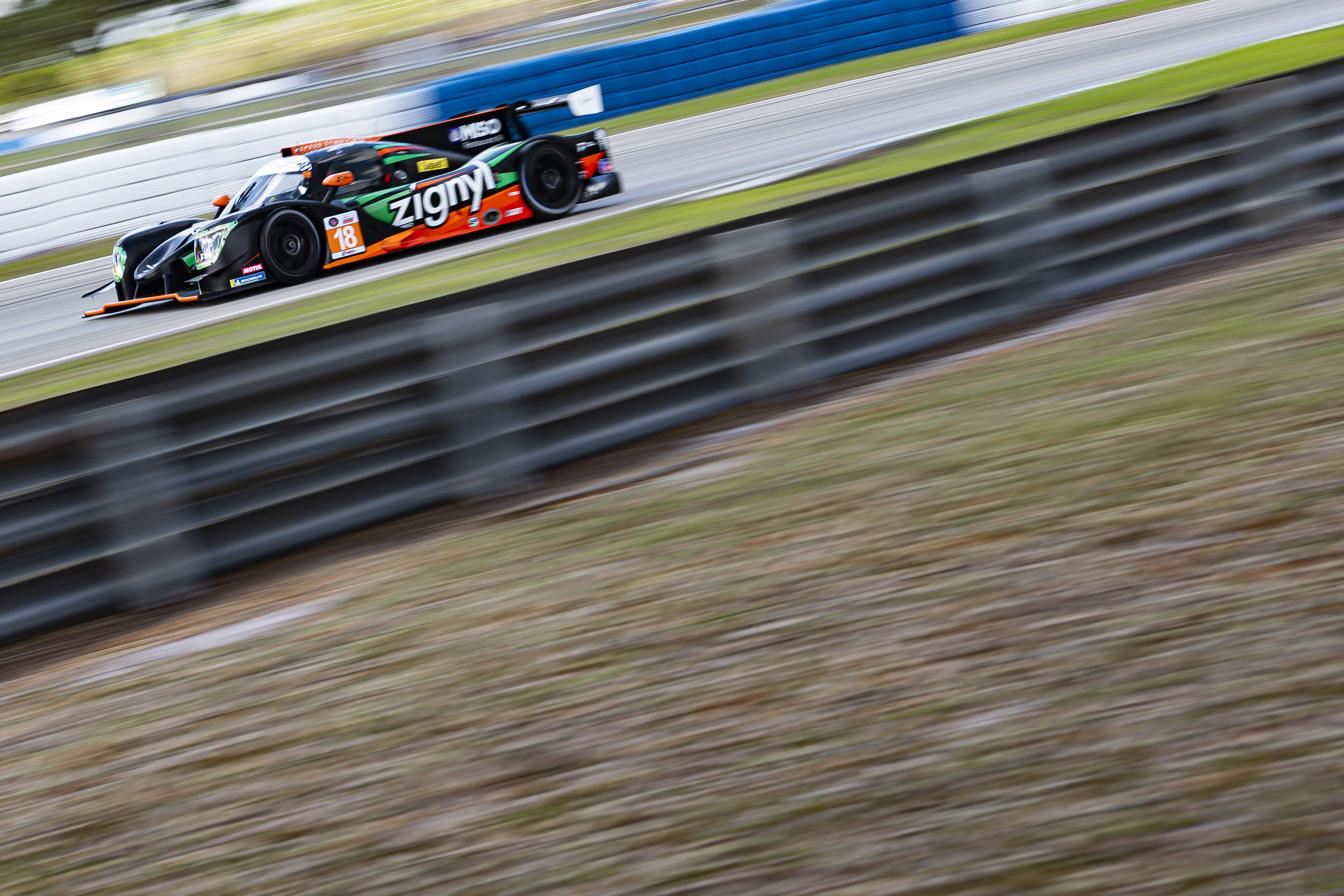
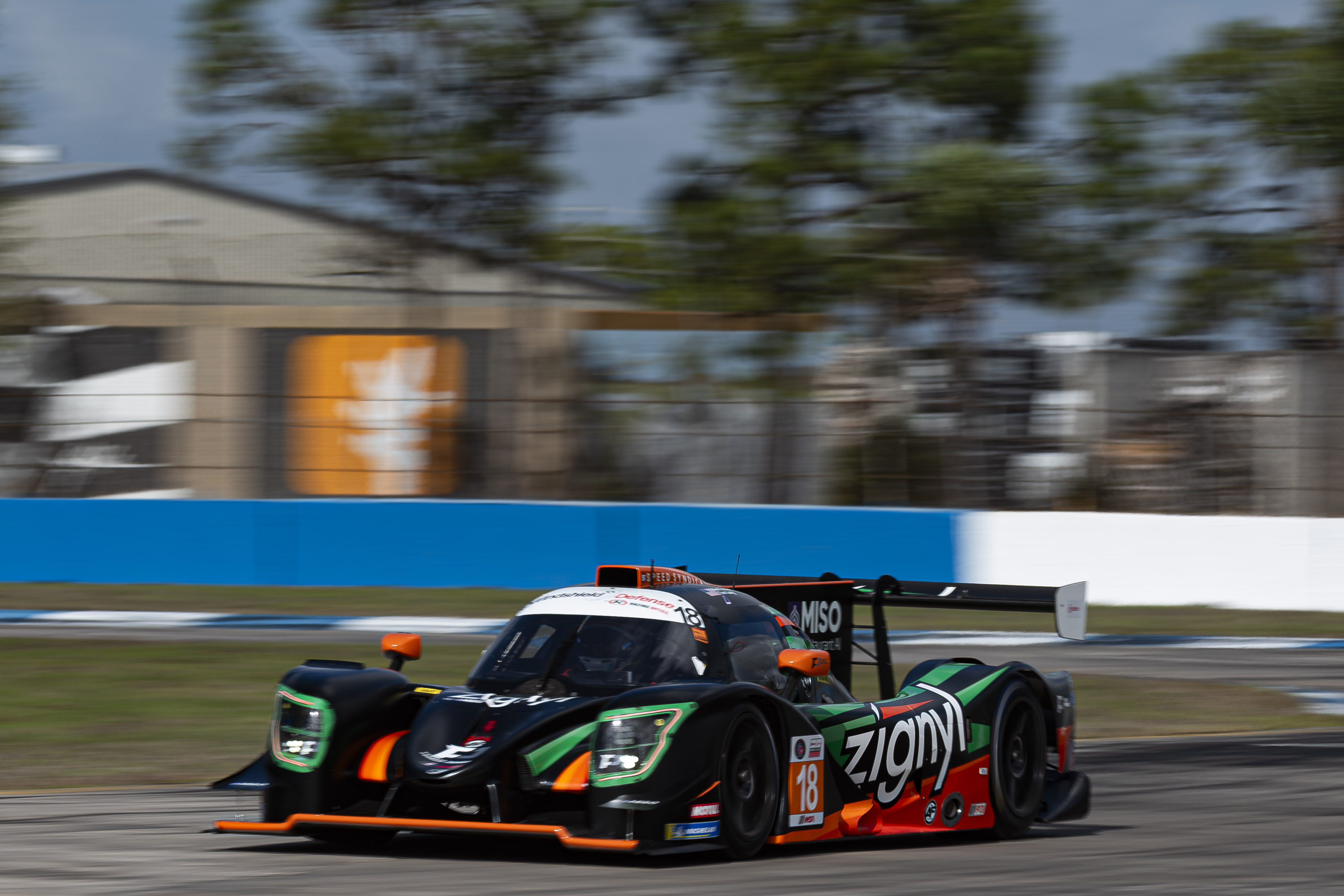
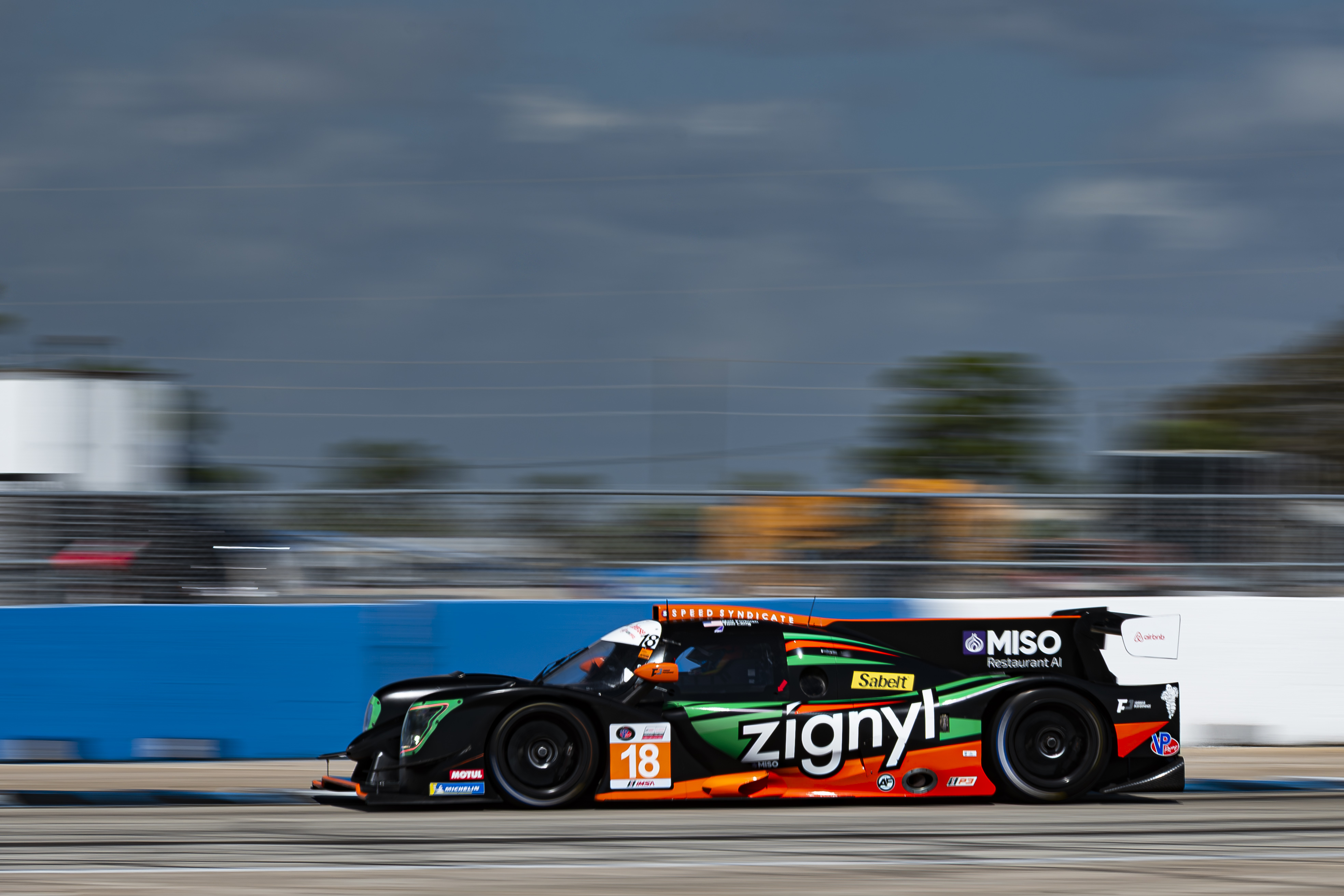
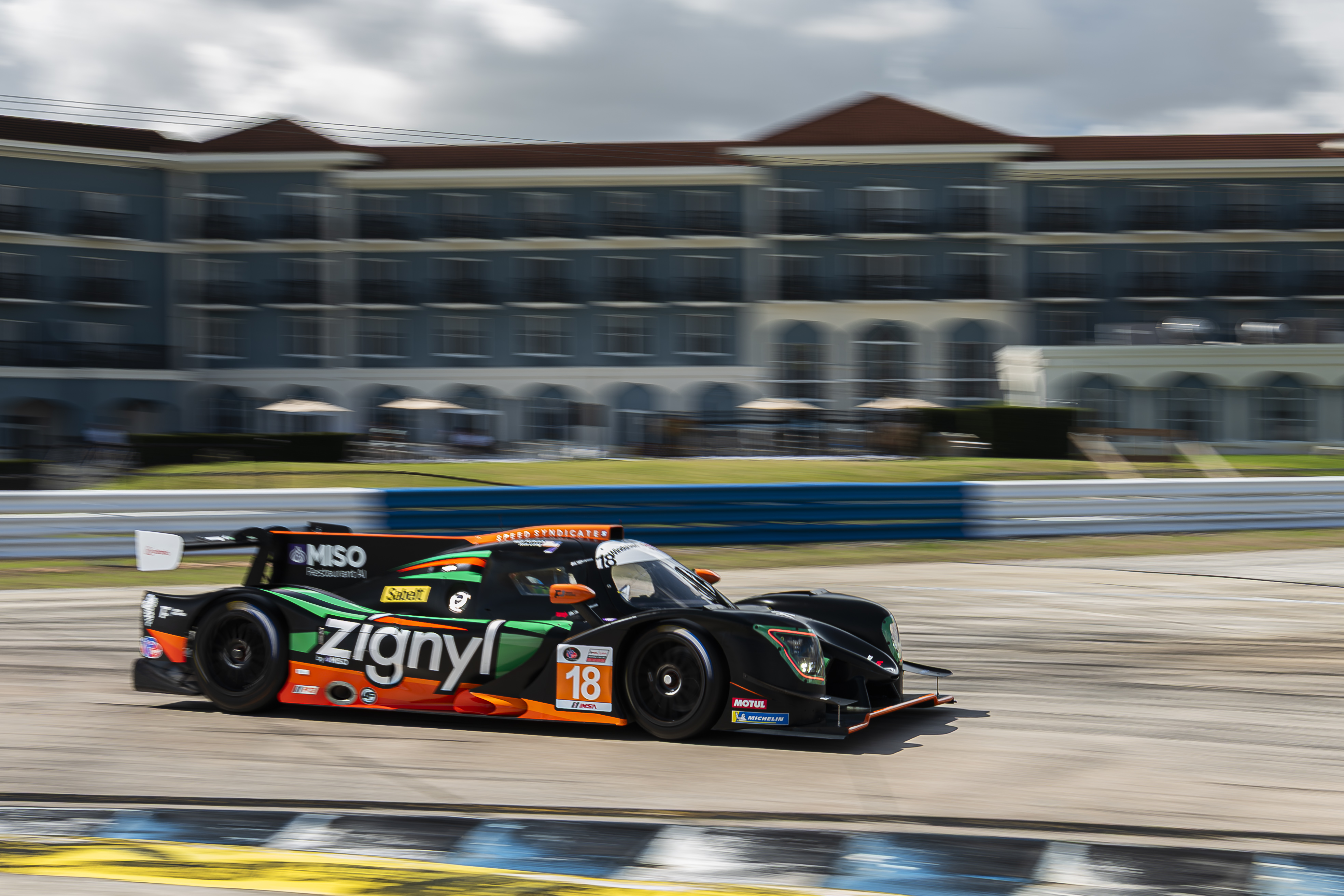
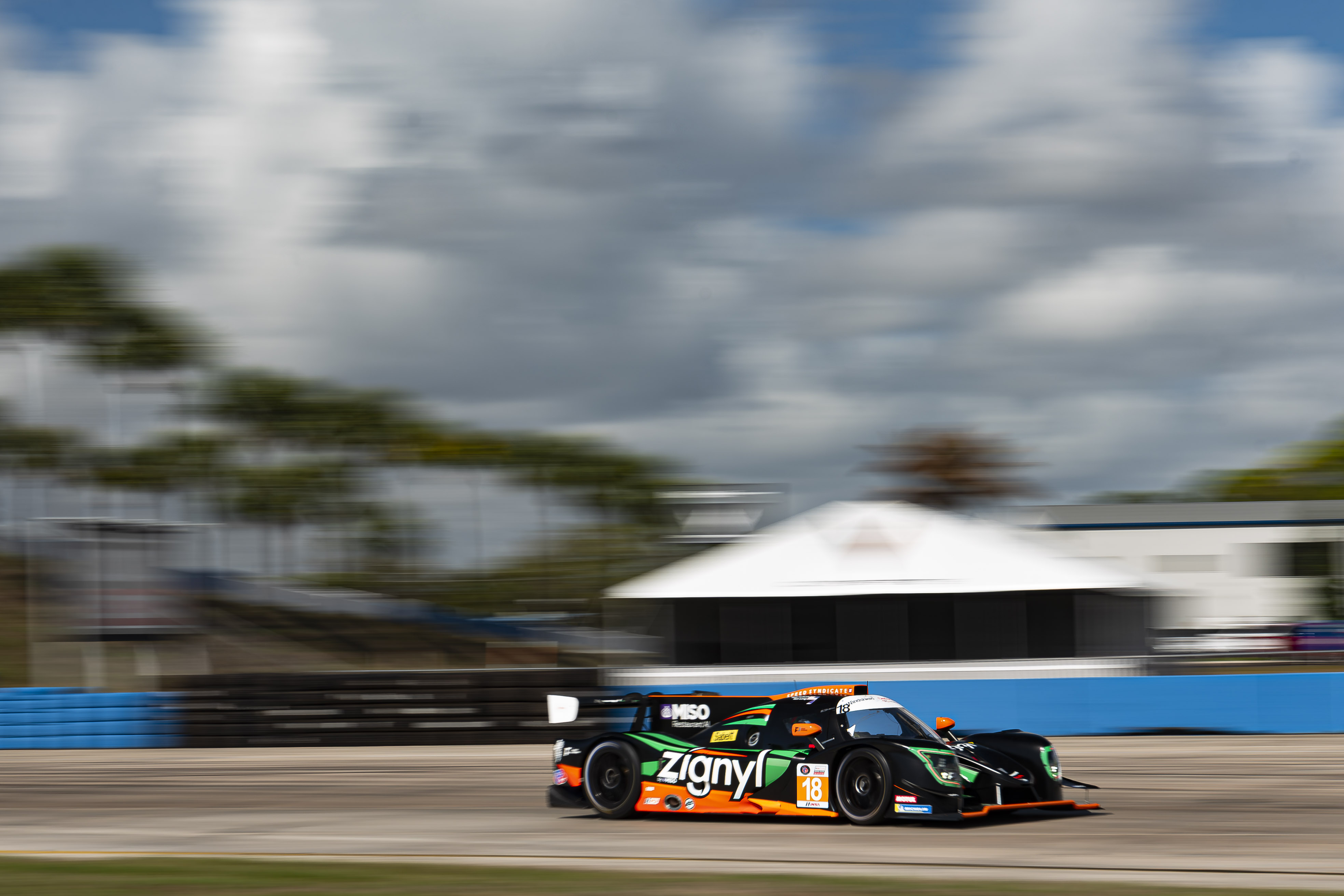
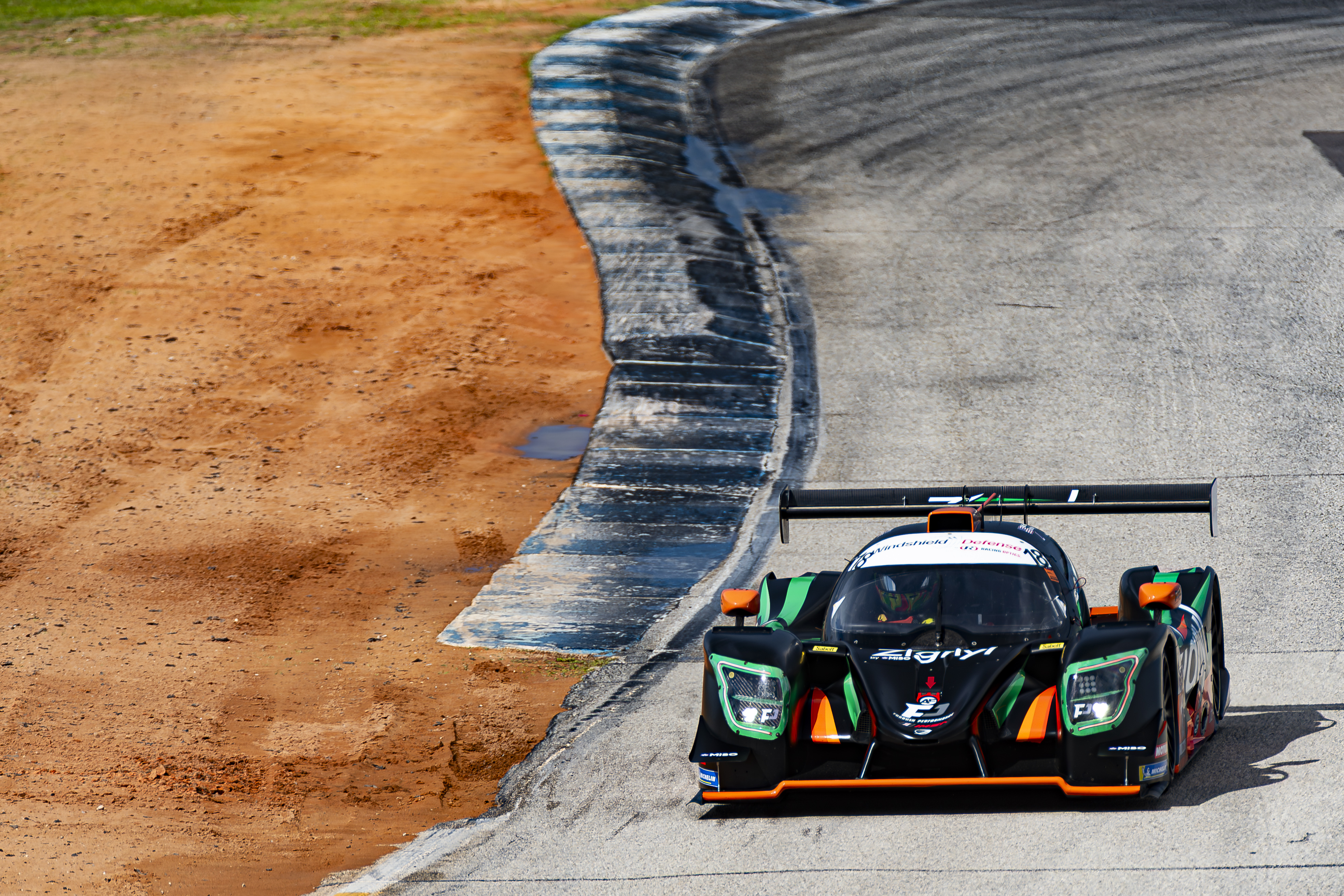
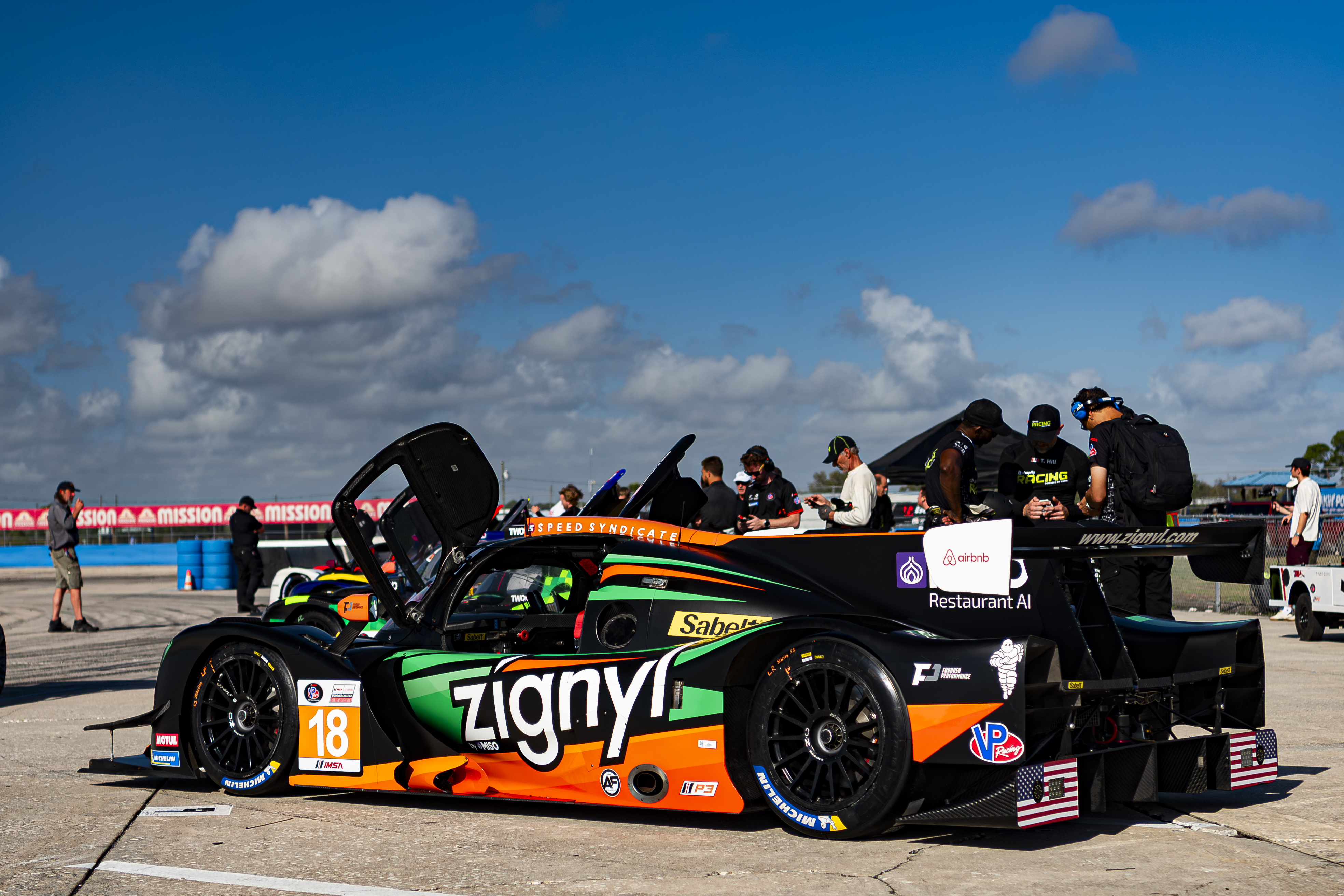
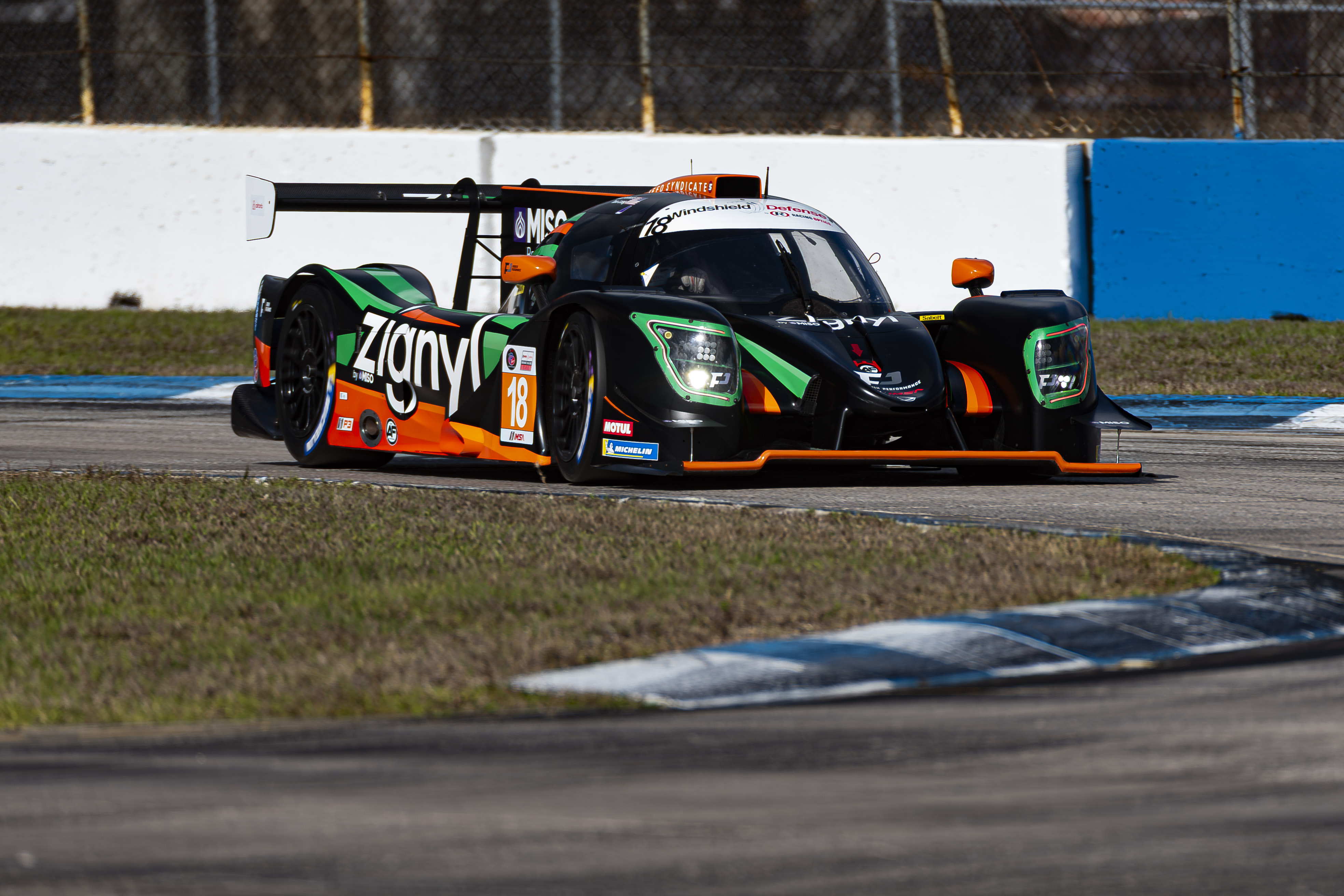
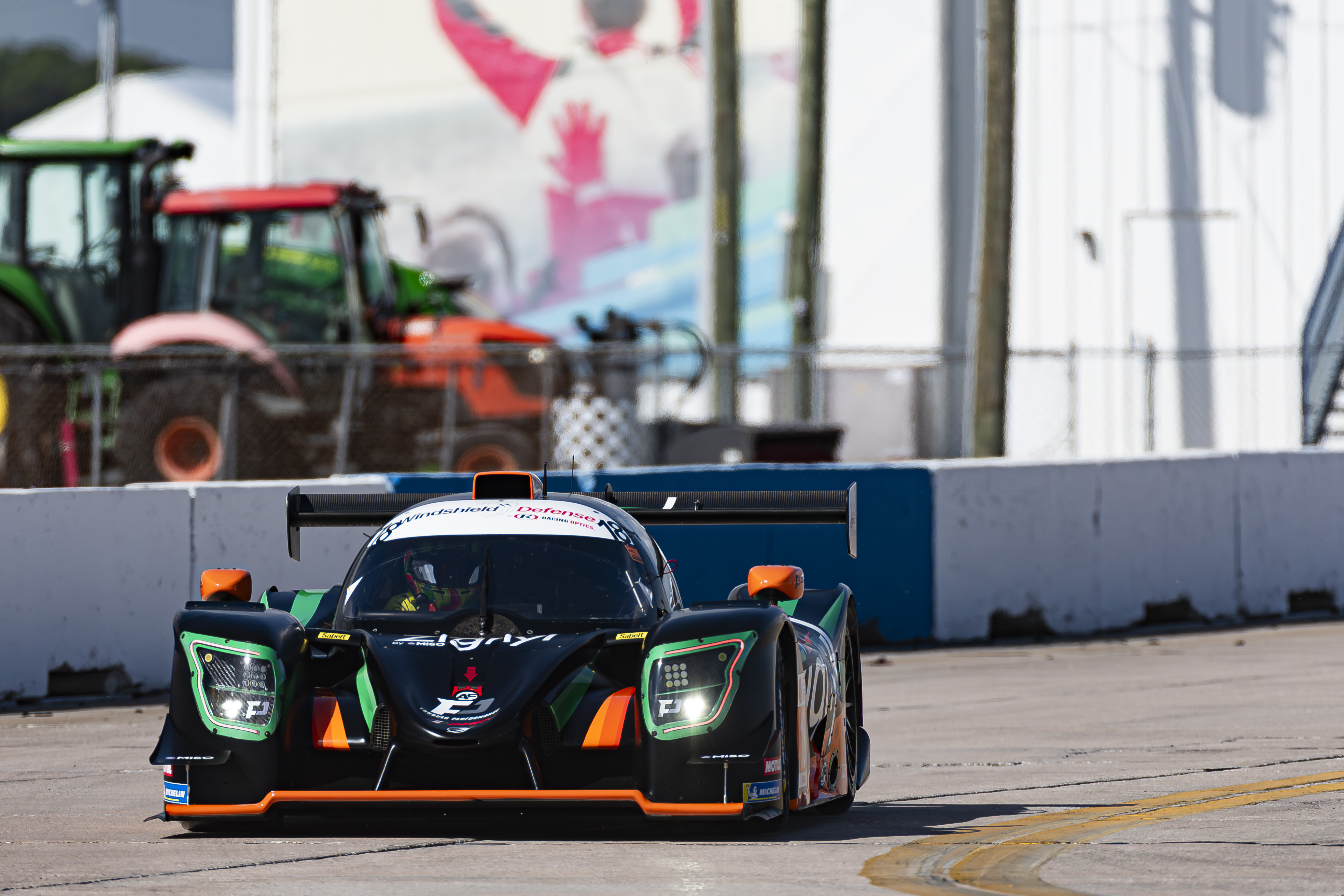
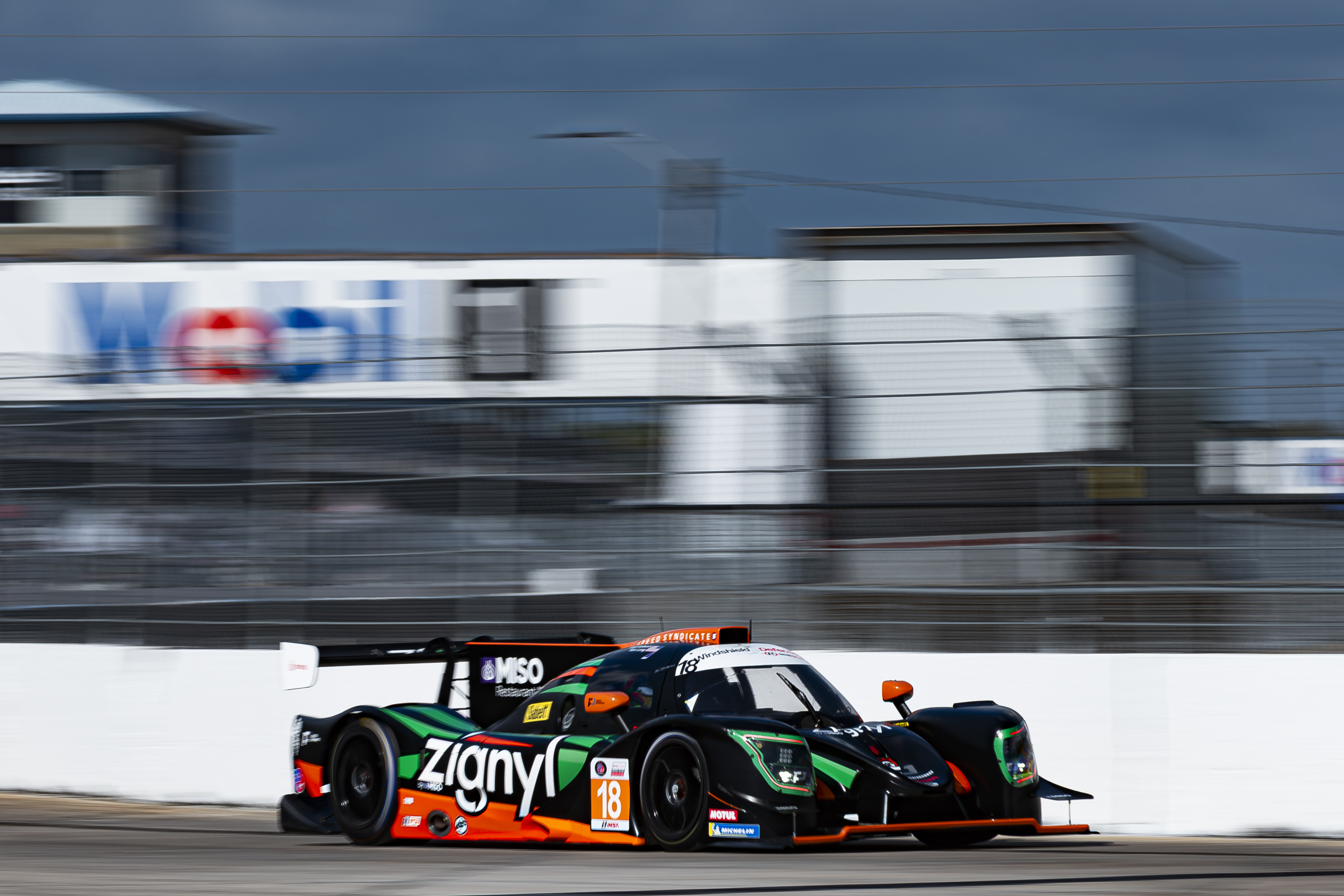
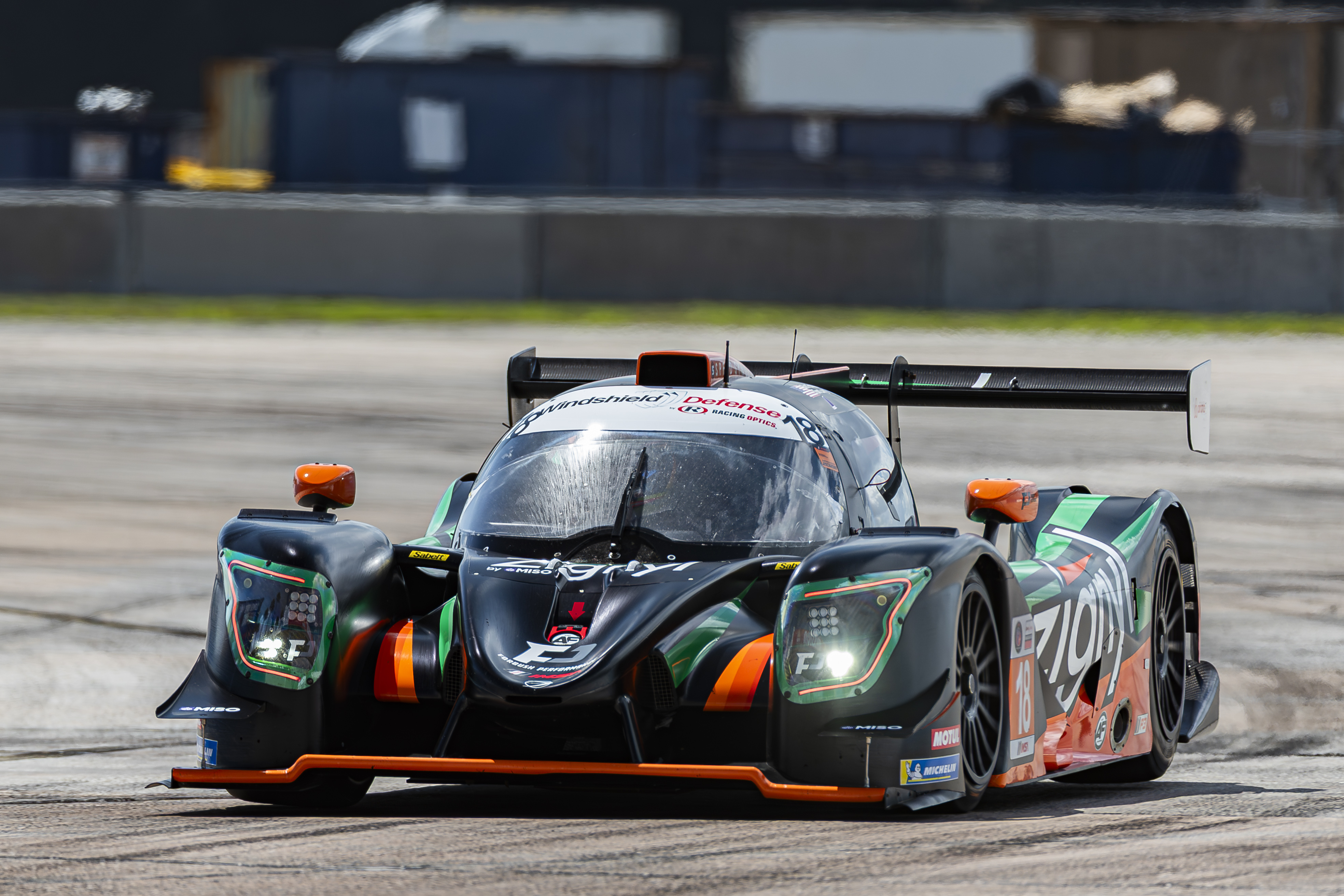
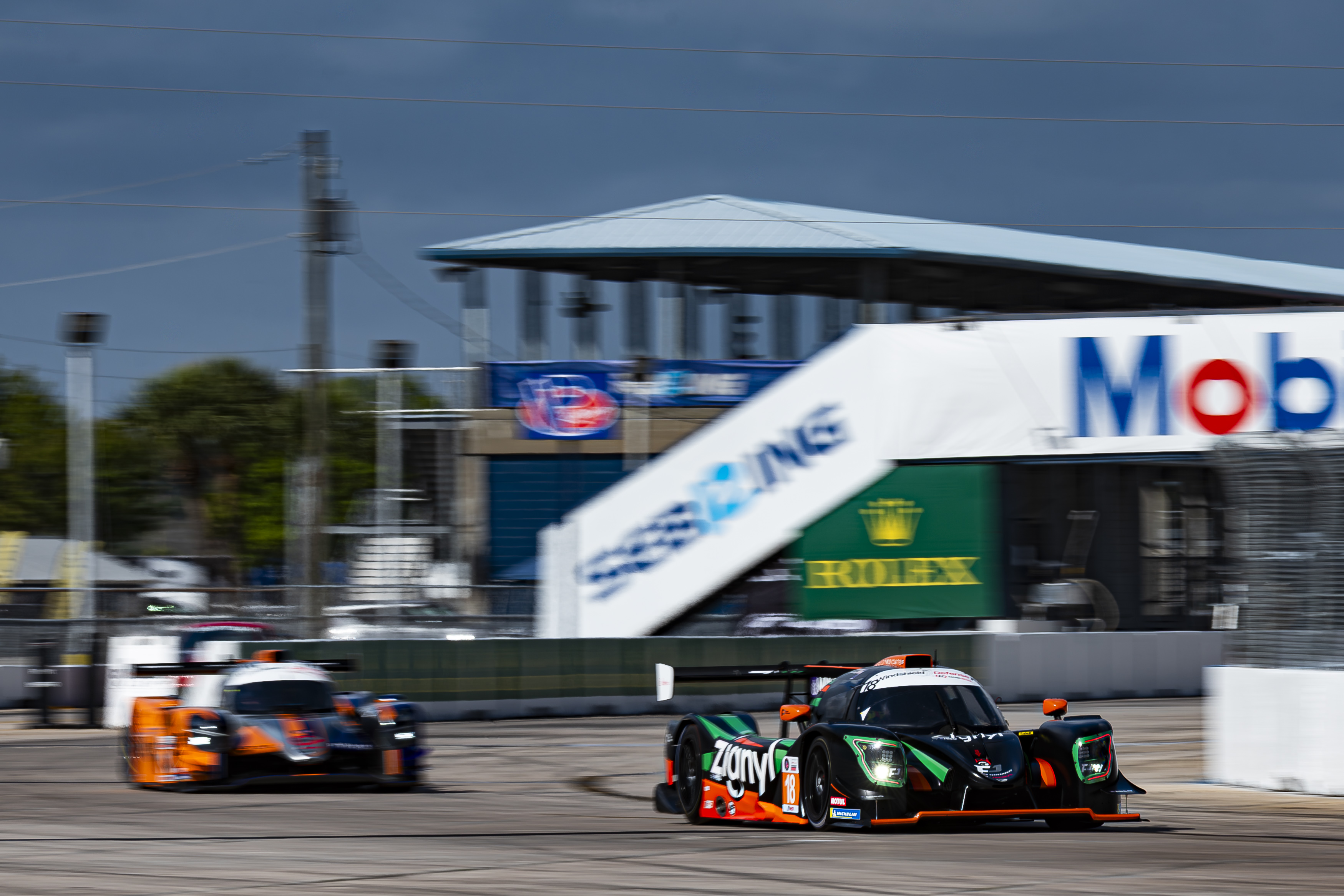
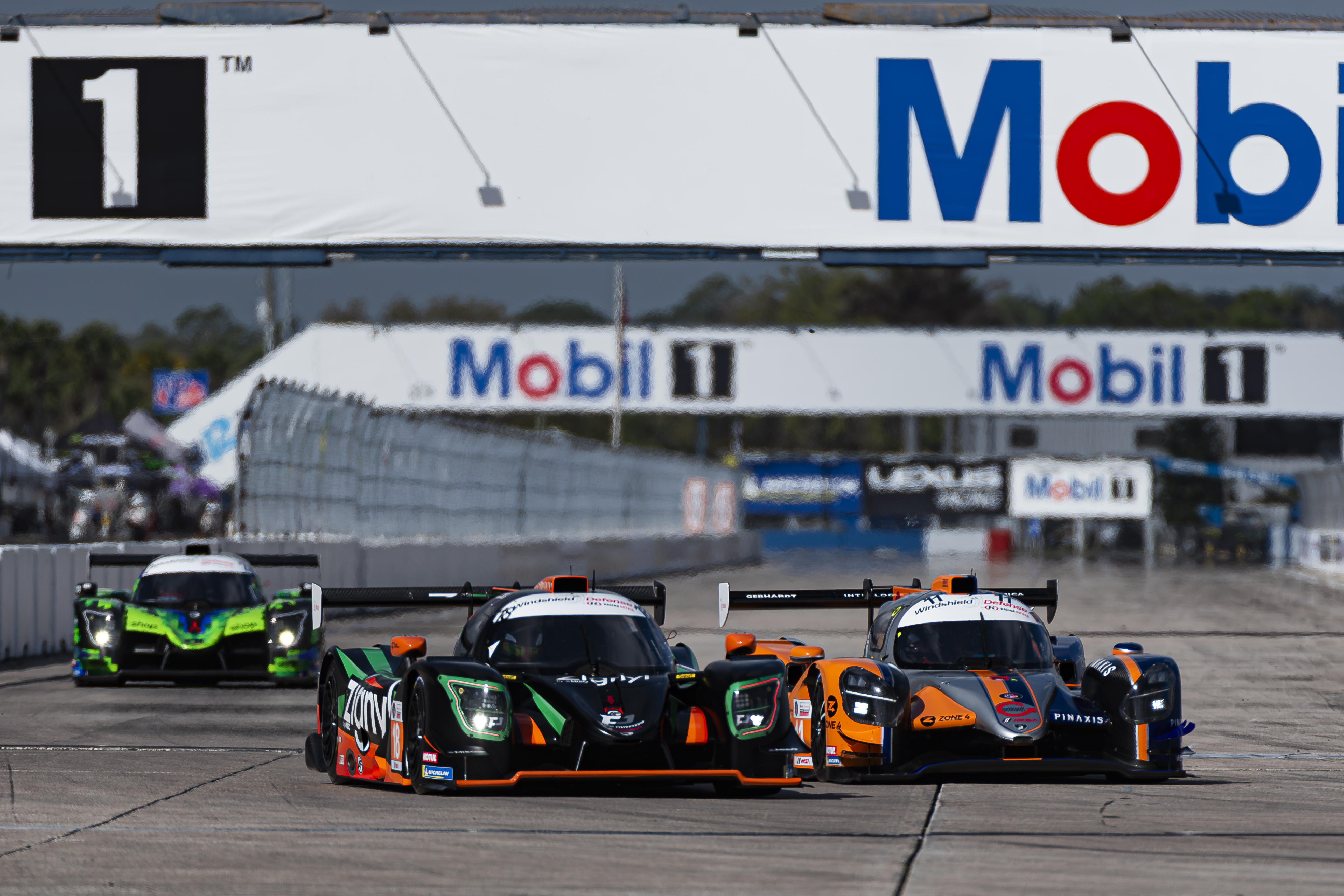
The best part of the weekend may have been how the car looked. I surprised the crew with a throwback Zignyl wrap inspired by our original GT4 car, and the reaction made it worth it. With that branding chapter changing after the Miso Robotics acquisition, it felt like the right time to bring the look back one more time. The car looked phenomenal.
If it were a car show, Sebring would have gone a lot better.
Unfortunately, it was a race.
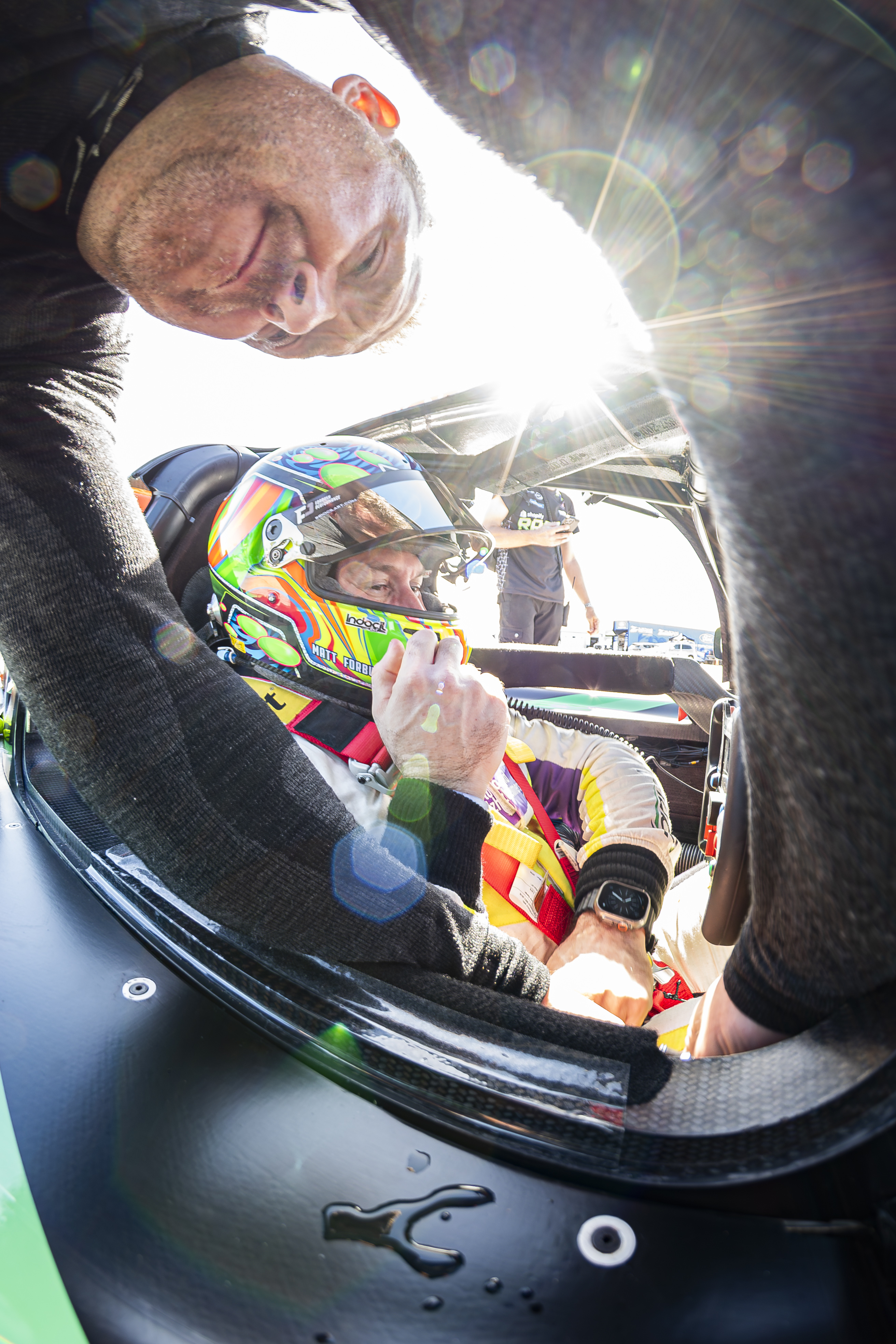
Once we got on track, the weekend became a reminder that effort matters, but preparation and execution matter just as much. We thought we had a setup that would be close to what worked during the test, but the pace just was not there. Tom Long was back with me as co-driver, which was great because Tom has been a longtime friend, teammate, and someone whose feedback I trust completely. Even with Tom in the car, we could not quite get the performance out of the package that we hoped for.
Practice 1 basically went away from us. A brake line issue overheated the front brakes and kept us from getting the laps we needed. That put us behind immediately. I have plenty of laps at Sebring, including in prototypes, but this was still a new car for us, a new format, and a much more competitive environment than what we had been used to.
That was one of the first real takeaways. This is not HSR anymore. The bronze drivers in IMSA VP Challenge are competitive, the field is tight, and the pace is serious. You cannot show up slightly off and expect to work your way into it over the weekend. Every session matters. Every lap matters. Every operational detail matters.
Qualifying did not help us much either. Rain before the session made conditions tricky, and I was already behind where I needed to be. On the final lap, I caught a wet spot under the bridge, spun, and barely kissed the inside wall. Thankfully, it only nicked the dive plane, but it was another example of a weekend where we never really had much margin.
The race did start with something positive. I got a good launch, made up several positions early, and was able to hold a few cars behind me for a while. As the stint went on and the tires fell away, I did not manage them as well as I needed to, and some of those cars came back by.
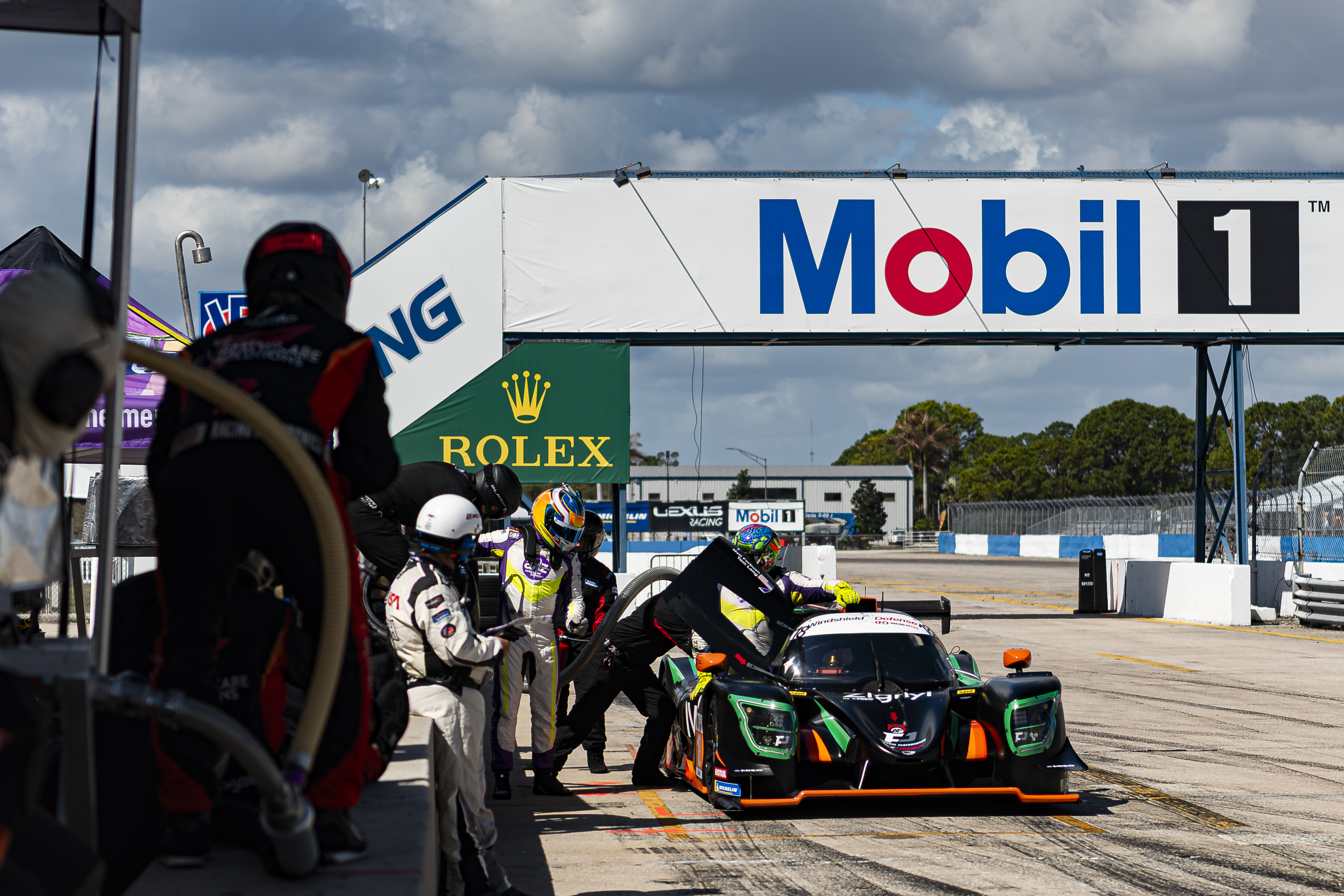
We also picked up a drive-through penalty for an unattended tire. That was frustrating, not because someone forgot or was careless, but because we misunderstood how the rule would be applied in the new format. It was still on us to understand it clearly, and it cost us.
That is exactly the kind of operational detail we have to clean up if we want to compete at this level.
Then the timing went against us. We went a lap down right before a caution came out, which effectively took us out of contention for the rest of the race. Tom took over for the second half and pushed as hard as the car would allow, but the gap to the front was real. On the final lap, a simple exhaust manifold tab broke and forced us to pit instead of crossing the line the way we wanted.
It was a tough ending to a tough weekend.
The hard part is that the effort was absolutely there. The crew worked incredibly hard just to get us to Sebring after everything that happened at the test. Nobody backed off. Nobody missed the moment. But racing is not a fairy tale, and hard work does not always guarantee the result. Sebring was a pretty blunt reminder of that.
The bigger takeaway was uncomfortable but important: the package we brought was not where it needed to be for this field. We were the only Ligier JS P320 in a field that had clearly moved toward the newer-generation cars, and the pace difference was hard to ignore. Maybe we still had more to find, but the weekend made it clear that we needed to take a serious look at what would give us a realistic chance to compete.
That does not make Sebring a wasted weekend. It makes it a useful one.
We left with a better understanding of the series, the field, the operational standards, and the level of preparation required. We learned that showing up is not enough. Having a good-looking car is not enough. Working hard is not enough. To run at the front, the whole package has to be right: the car, the setup, the prep, the pit execution, the rules understanding, the driver pace, and the plan around all of it.
That is what Sebring gave us.
It left a bad taste, but it also gave us clarity. The car looked incredible, the crew fought hard, Tom gave us valuable feedback, and we came away with a much clearer picture of what had to improve.